Cold weather to ring in New Year as amber health alerts issued
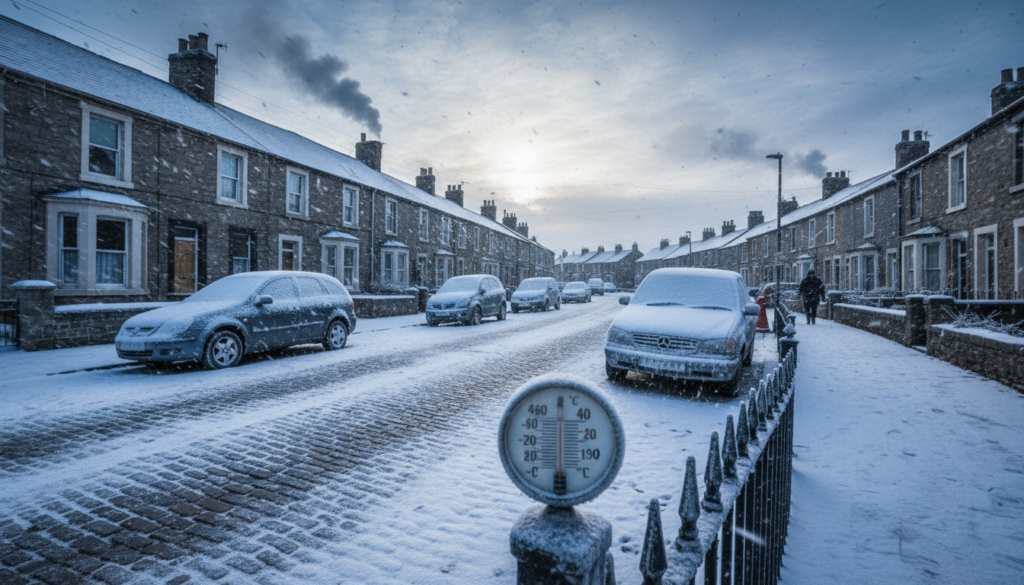
Arctic Siege 2026: UKHSA Extends Amber Health Alerts as Britain Braces for a Deadly Deep Freeze
Brainx Perspective
At Brainx, we believe that the current weather crisis is a stark reminder of the UK’s fragile infrastructure in the face of extreme climate variability. This development highlights that “winter preparedness” must evolve from a seasonal checklist into a robust, tech-integrated strategy for national resilience, as our health and social care sectors face an unprecedented test of capacity and endurance.
The News: A Nation Under Ice
As the United Kingdom enters the first full week of 2026, a persistent Arctic air mass has transformed the landscape into a high-stakes emergency zone. What began as regional warnings for Northern England has rapidly escalated into a nationwide crisis, prompting the UK Health Security Agency (UKHSA) and the Met Office to extend and expand their most serious health warnings.
I. The Escalation of Health Alerts
The initial amber health alerts, which were originally focused on the North East and North West, have now been extended to cover all regions of England until at least 10:00 AM on Friday, January 9, 2026. This escalation reflects the severity of the cold snap, which is no longer a localized event but a significant threat to the national health infrastructure.
Key Facts of the Alert Expansion:
- Duration: The Amber Cold-Health Alert (CHA) is currently active and will remain in force throughout the week, with a scheduled expiration of Friday morning.
- Scope: Every region, from the South West to Yorkshire and the Humber, is now under the “Amber” status, indicating a “medium” impact and “medium” likelihood of severe consequences.
- Severity Levels: Under the UKHSA system, an Amber alert signifies that impacts are likely to be felt across the entire health and social care sector, placing not just the vulnerable, but the general population at risk.
II. Meteorological Breakdown: Arctic Air vs. Atlantic Resistance
The current weather pattern is a classic “Arctic Plunge.” Cold northerly winds are dominating the atmosphere, pulling sub-zero air directly from the polar regions across the British Isles.
Temperature and Snowfall Projections:
- Extreme Lows: While cities like London are seeing lows of -4°C, rural areas and higher ground are facing much harsher conditions. Shap in Cumbria recently recorded a staggering -10.9°C, and parts of the Scottish Highlands could see the mercury dip as low as -12°C over lying snow.
- Snow Accumulation: Significant snowfall has already been recorded. Tomintoul in Banffshire has seen depths of 52cm, while parts of Northern England and Scotland are braced for an additional 10–30cm of accumulation as new weather fronts collide with the entrenched cold.
- The “Atlantic Comeback”: Met Office meteorologists are tracking three separate attempts by Atlantic low-pressure systems to push into the UK. These systems bring the threat of “disruptive snow” as moisture-rich air meets the freezing Arctic air mass, particularly along the boundaries in Central England and Wales.
III. The Health Toll: A Clinical Perspective
The UKHSA has warned that this level of cold poses a direct threat to life. For the elderly and those with pre-existing conditions, the drop in temperature triggers a series of dangerous physiological responses.
- Cardiovascular Stress: Cold weather causes blood vessels to constrict and blood to thicken, significantly increasing the risk of heart attacks and strokes.
- Respiratory Crisis: Breathing in cold air can inflame the airways, leading to a surge in chest infections, pneumonia, and worsening of asthma or COPD symptoms.
- The 18°C Rule: Health officials emphasize that maintaining an indoor temperature of at least 18°C is not a suggestion but a medical necessity. Below this threshold, the risk of hypothermia and cold-related mortality rises sharply.
IV. Infrastructure and Service Disruptions
The “Arctic Siege” is not merely a health crisis; it is a logistical nightmare for the public sector. The UKHSA has highlighted several critical areas where the infrastructure is buckling:
- Healthcare Facility Safety: Many older hospitals and care homes are struggling to maintain internal temperatures at the mandated 18°C, making patient assessment and recovery significantly more difficult.
- Staffing Shortages: Icy roads, freezing fog, and “tricky travelling conditions” are preventing essential health and social care staff from reaching their workplaces, compounding the pressure on an already overstretched NHS.
- Energy Demand: With temperatures remaining below freezing even during the day, the national grid is facing a surge in demand as millions of households attempt to keep the cold at bay.
V. Regional Impacts: A Divided Britain
While the entire country is cold, the manifestation of the crisis varies by region:
- The North and Scotland: The primary threat is snow accumulation and rural isolation. Communities in the Highlands and the Pennines are at risk of being cut off as heavy snow blocks trunk roads.
- The South and Midlands: The danger here lies in freezing fog and black ice. With daytime highs struggling to reach 2°C or 3°C, any moisture on the roads is flash-freezing, creating lethal conditions for motorists and pedestrians.
- Coastal Areas: Coastal communities are seeing frequent “wintry showers” of sleet and hail, driven by biting winds that make -4°C feel closer to -9°C.
VI. Expert Guidance: The “Check-In” Culture
Dr. Agostinho Sousa, Head of Extreme Events at UKHSA, has called for a national effort to protect the most vulnerable. “It is vital to check in on friends, family, and neighbours,” he urged. This community-led approach is seen as a vital stop-gap where social services might be delayed by weather conditions.
Recommended Actions for Residents:
- Stockpile Essentials: Ensure you have at least a week’s supply of food and medication to avoid unnecessary trips in icy conditions.
- Heat Zones: If heating the entire home is too expensive, focus on keeping one main room warm (at least 18°C) and use layered clothing.
- Vehicle Readiness: For those who must travel, vehicles should be equipped with a winter kit including blankets, shovels, and emergency rations.
Why It Matters
For the common man, this crisis is a painful intersection of climate volatility and the cost-of-living struggle. It forces families to choose between expensive heating and health risks. In the long term, this week will dictate the future of UK energy policy and the urgent need for a more resilient, better-insulated national housing stock to survive an increasingly unpredictable environment.
Leave a Reply