Iran leader says protesters are vandals trying to please Trump
1. Catchy Headline
Iran in Darkness: Regime Cuts Internet as Protests Rage and Trump Vows to “Hit Hard”
2. Brainx Perspective (Intro)
At Brainx, we believe the current blackout in Iran is more than a security measure; it is a desperate admission of lost control. When a government’s only response to economic grievance is to silence its citizens and sever them from the world, it highlights a profound crisis of legitimacy. This standoff between a defiant populace and an entrenched regime may define the Middle East’s stability for the next decade.
3. The News (Body)
Iran is currently engulfed in its most significant unrest in years, with protests entering their 13th consecutive day. What began as an outcry over a collapsing economy has rapidly metastasized into a nationwide uprising calling for the end of the Islamic Republic, prompting a severe crackdown by state security forces.
The Human Toll and Crackdown The situation on the ground has become increasingly dire as the regime attempts to crush dissent with force.
- Rising Death Toll: Human rights organizations report that at least 48 protesters and 14 security personnel have been killed. The Norway-based Iran Human Rights (IHRNGO) places the civilian death toll higher at 51, including nine children.
- Mass Arrests: Over 2,277 individuals have been detained since the unrest began on December 28, according to the Human Rights Activist News Agency (HRANA).
- Digital Siege: Authorities have imposed a near-total internet blackout. Monitoring groups like NetBlocks confirm that connectivity has plummeted, cutting off the flow of information and preventing citizens from documenting violence or accessing banking services.
International Firestorm The global response has been swift and sharp, with rhetoric escalating between Tehran and Washington.
- Trump’s Ultimatum: US President Donald Trump issued a stark warning from the White House, stating, “We will be hitting them very hard where it hurts” if the regime continues killing protesters. He noted that cities are falling to protesters in ways “nobody thought were really possible.”
- European Condemnation: In a rare joint statement, UK Prime Minister Sir Keir Starmer, French President Emmanuel Macron, and German Chancellor Friedrich Merz strongly condemned the violence. They reminded Tehran of its “responsibility to protect its own population.”
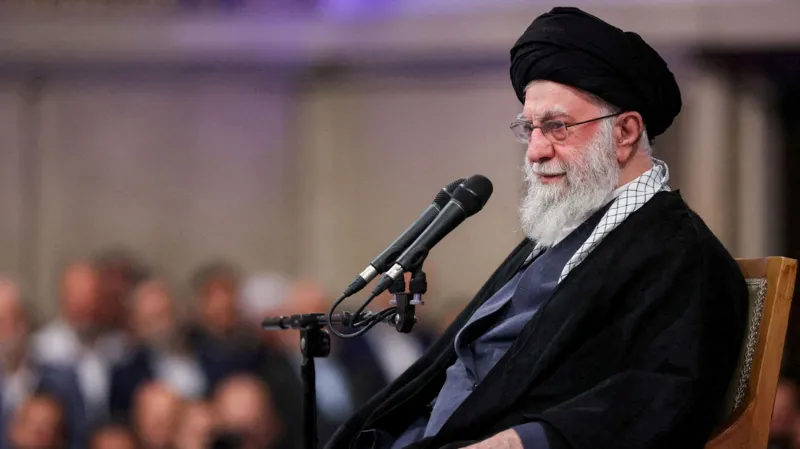
- Tehran’s Defiance: Supreme Leader Ayatollah Ali Khamenei remains unbowed, labeling protesters as “troublemakers” trying to please the US. In a televised address, the 86-year-old leader vowed that the Islamic Republic “will not back down” and will deal decisively with “destructive elements.”
A New Political Dimension Unlike previous economic protests, this wave has taken on a distinct political character.
- Calls for Monarchy: Reza Pahlavi, the exiled son of the last Shah, has openly called on the US to intervene and urged Iranians to take to the streets. His calls appear to be resonating, with chants of support for the monarchy heard in various cities—a red line for the clerical establishment.
- Economic Paralysis: The internet blackout has had a secondary devastating effect: paralysis of daily life. With cash machines offline and debit cards useless, residents in cities like Shiraz are reporting panic buying and runs on supermarkets.
4. “Why It Matters” (Conclusion)
This crisis matters because it represents a breaking point in the social contract. When citizens face bullets for demanding bread, and a regime responds by unplugging the nation, the path to peaceful resolution vanishes. For the common Iranian, daily life has become a battle for survival against both inflation and state violence, with the looming threat of foreign intervention adding to the uncertainty.
Deep Dive: The Tactics of Silence
(Analysis for Context)
The Strategy of the “Kill Switch” The regime’s decision to cut the internet is a calculated military tactic, not just censorship. By severing connectivity:
- Operational Disruption: It prevents protesters from organizing gathering points via encrypted apps like Telegram or WhatsApp.
- Psychological Isolation: It makes individuals feel alone in their resistance, breaking the “safety in numbers” psychology that drives mass movements.
- Cover for Violence: Historically (as seen in 2019 and 2022), the darkest atrocities occur during blackouts when video evidence cannot be uploaded to the world stage.
The Economic Boomerang However, this tactic is a double-edged sword. In 2026, Iran’s economy is digital. Cutting the web kills point-of-sale (POS) systems, banking transfers, and logistics. By trying to save its political life, the regime is strangling its own economic lifeline, likely driving even more people (merchants, truck drivers, shopkeepers) into the streets out of sheer financial necessity.
Leave a Reply