Film about Palestinian girl’s desperate plea was a ‘way to not feel helpless’, says director
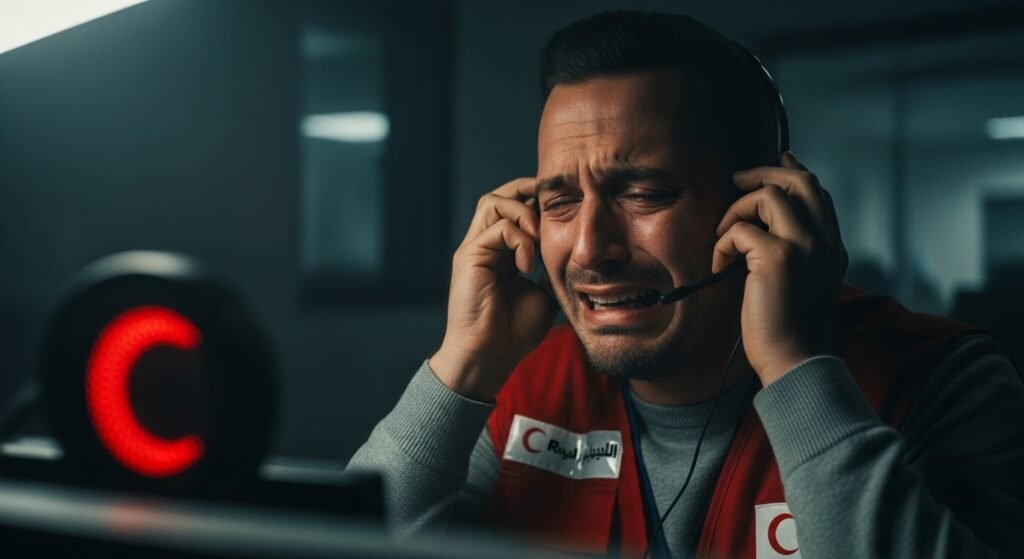
“I’m Scared, Come Get Me”: The Haunting Call of 6-Year-Old Hind Rajab That Inspired an Oscar Hopeful
2. Brainx Perspective
At Brainx, we believe that when statistics fail to move the world, art must step in to bear witness. The release of The Voice of Hind Rajab highlights the profound role of cinema in preserving human dignity amidst the chaos of war. By amplifying the final, terrifying moments of a six-year-old girl, director Kaouther Ben Hania forces the global audience to confront the individual cost of the Gaza conflict, transforming a viral news clip into a permanent historical record of empathy and tragedy.
3. The News
The film industry is currently abuzz with a documentary-drama that has transcended traditional storytelling to become a global act of witnessing. The Voice of Hind Rajab, directed by two-time Oscar nominee Kaouther Ben Hania, brings to the big screen the heart-wrenching true story of a six-year-old Palestinian girl whose desperate plea for help shocked the world in 2024.
The Genesis of the Project For Tunisian filmmaker Kaouther Ben Hania, the inception of this film was not planned. It was born out of a visceral reaction to a viral social media clip.
- The Spark: Upon hearing the real emergency recording of Hind Rajab begging for her life while trapped in a car in Gaza City, Ben Hania felt “haunted.”
- The Decision: Overwhelmed by feelings of anger and helplessness, she paused her existing film projects. She called her producer with a new directive: they had to tell Hind’s story.
- The Motivation: “I asked myself… what can I do? I’m a filmmaker, so I can do movies,” Ben Hania told the BBC. The film became a way to refuse complicity and to “bear witness” to the tragedy.
The Harrowing True Story Behind the Film The film is anchored in the devastating events of January 2024, during the height of the conflict in Gaza.
- The Incident: Hind Rajab was fleeing the Tel al-Hawa neighborhood in a car with her aunt, uncle, and cousins. The vehicle came under fire, killing her family members.
- The Call: Hind, the sole survivor at that moment, managed to answer a callback from the Palestinian Red Crescent Society (PRCS). For hours, she stayed on the line, terrified and surrounded by the bodies of her relatives.
- The Failed Rescue: Two paramedics were dispatched in an ambulance to save her after coordinating a route. However, contact was lost with both the girl and the ambulance crew.
- The Aftermath: Days later, it was confirmed that everyone—Hind, her family, and the ambulance crew—had been killed.
- The Investigation: While the Israel Defense Forces (IDF) initially stated their troops were not in the area, independent investigations by Forensic Architecture, Al Jazeera, and the Washington Post concluded that damage to the vehicle was consistent with Israeli tank fire. The UN has cited the case in a war crimes inquiry, though the IDF states the incident is still under review by its Fact-Finding Assessment Mechanism.
A Unique Cinematic Approach Ben Hania’s film is not a standard documentary. It employs a hybrid “docudrama” format designed to maximize emotional resonance.
- The Audio: The film utilizes the actual, agonizing audio recordings of Hind’s phone calls with the Red Crescent.
- The Visuals: Instead of reenacting the violence in the car, the camera focuses on the other end of the line. Actors dramatize the experience of the Red Crescent volunteers in the Ramallah call center as they desperately try to keep Hind calm.
- The Cast: The film features an ensemble cast of Palestinian origin, including Motaz Malhees and Amer Hlehel, who portray the immense psychological toll taken on the emergency workers.
- The Performance: The emotional weight was so intense that actor Motaz Malhees reported suffering panic attacks during filming, noting that it felt less like acting and more like “a real conversation with a child.”
Global Reception and Hollywood Support Despite its harrowing subject matter, the film has garnered significant critical acclaim and high-profile support.
- Standing Ovation: At its world premiere at the Venice Film Festival, the film received a record-breaking 23-minute standing ovation, ending only because the theater staff had to clear the room for the next screening.
- Awards Buzz: The film was nominated for Best Foreign Language Film at the Golden Globes and has been shortlisted for the Oscars in the Best International Feature category.
- Executive Producers: Fearing the story might be dismissed as “niche,” the team enlisted Hollywood heavyweights Brad Pitt, Joaquin Phoenix, and Rooney Mara as executive producers to ensure the film reached a wider audience.
The Ethical Dilemma The film has sparked a conversation about the ethics of mixing real tragedy with dramatization.
- Critical Response: Reviews have been overwhelmingly positive but complex. Variety called the execution “questionable” but the impact “impossible not to be moved by.” The Telegraph praised it for “transcending shock value” and presenting a necessary “ethical dilemma.”
- Director’s Stance: Ben Hania emphasizes that the film is “anchored in truth.” She received the blessing of Hind’s mother, Wesam, before production. She deliberately chose not to interview the IDF, stating, “My movie is not an investigation. The investigation was already done.”
4. “Why It Matters” (Conclusion)
This film matters because it fights the erasure of individual suffering in a war often defined by overwhelming numbers. By immortalizing Hind’s voice, the film ensures that her plea—”Will you come and get me?”—remains an uncomfortable, echoing question for the collective conscience of the world. It transforms a fleeting news headline into a permanent historical indictment.
Leave a Reply