Belarus frees 123 prisoners as US lifts sanctions
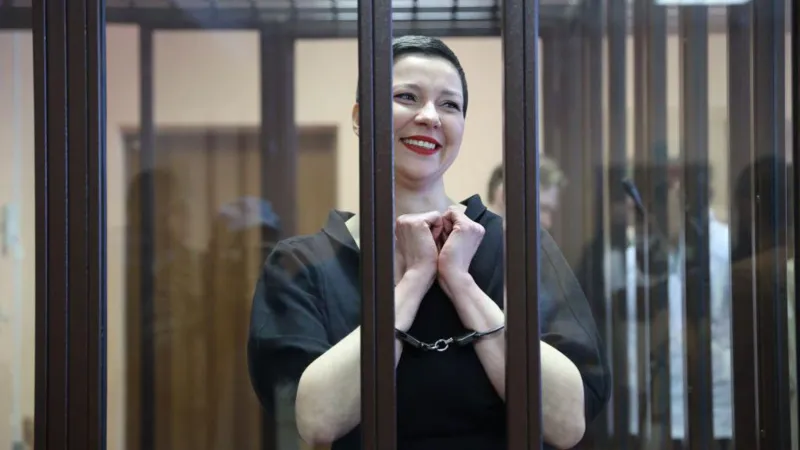
Freedom for Fertilizer: Inside the High-Stakes Deal That Returned 123 Belarusian Dissidents
Brainx Perspective
At Brainx, we believe this development highlights the stark return of transactional diplomacy in the modern era. While the release of 123 political prisoners is a monumental humanitarian victory, the price paid—reopening global markets to Belarus’s state-owned potash giant—raises uncomfortable questions about the commodification of human rights. This deal underscores a growing rift in Western strategy: Washington’s pivot toward pragmatic engagement under the Trump administration versus Brussels’ steadfast adherence to values-based isolation.
The Great Exchange: Diplomacy or Hostage Taking?
In a move that has sent shockwaves through the geopolitical landscape, the authoritarian regime of Belarusian President Alexander Lukashenko has released 123 political prisoners—the largest mass release in the country’s recent history. This dramatic concession, brokered directly by the United States, was not a gesture of goodwill but the result of a calculated “quid pro quo.” In exchange for the freedom of Nobel laureates and opposition icons, the U.S. has agreed to lift crippling sanctions on Belarus’s potash industry, throwing a financial lifeline to Minsk.
The agreement, finalized after intensive talks between Belarusian authorities and John Coale—President Donald Trump’s special envoy to Minsk—marks a decisive shift in U.S. foreign policy. It moves away from the strategy of total isolation employed since the fraudulent 2020 elections and toward a new era of “deal-making” diplomacy.
Key Facts of the Agreement:
- The Mediator: The deal was negotiated by John Coale, a lawyer and special envoy appointed by President Trump, signaling a direct White House channel to Lukashenko that bypassed traditional diplomatic roadblocks.
- The Price: The U.S. Treasury Department has effectively lifted sanctions on Belaruskali, the state-owned producer of potash. This entity is one of the world’s largest suppliers of potassium-rich fertilizers and a primary source of foreign currency for the Lukashenko regime.
- The Release: 123 individuals were freed, including high-profile figures Maria Kolesnikova, Ales Bialiatski, and Viktor Babaryko.
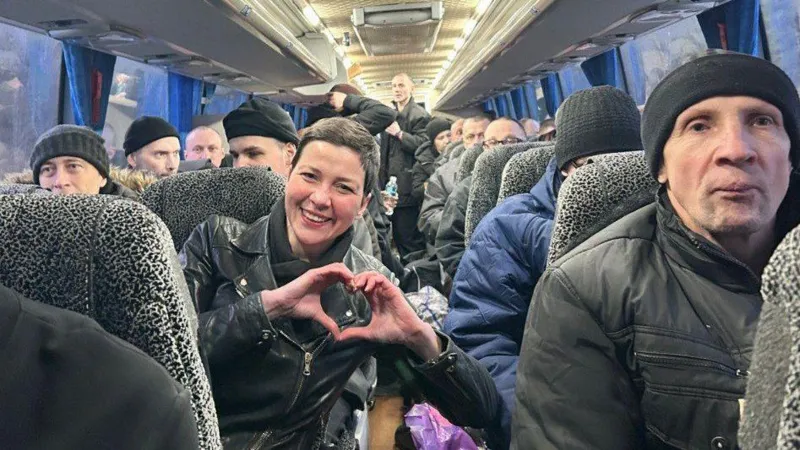
- The Logistics: While some prisoners remain in Belarus, a significant cohort (reportedly 113 individuals) was transferred to third-party nations, including Ukraine, before moving onward to Poland and Lithuania.
Profiles in Courage: The Faces of Freedom
The true weight of this political bargain is measured not in tons of fertilizer, but in the lives of the individuals who have endured years of brutal incarceration.
Maria Kolesnikova: The Symbol of Defiance
Maria Kolesnikova’s release is perhaps the most emotionally resonant aspect of this deal. A professional flutist turned political icon, she became the face of the 2020 opposition movement. Her courage is legendary; when authorities attempted to forcibly deport her to Ukraine in 2020, she famously tore up her passport at the border, choosing imprisonment in her homeland over exile.
- Prison Conditions: Reports indicate Kolesnikova was held in solitary confinement for extended periods. Her health had deteriorated significantly; she reportedly lost over 40 kilograms (88 lbs) and suffered from a perforated ulcer that required emergency surgery in a prison hospital.
- The Reunion: Her first act upon release was a video call with her sister, Tatiana Khomich. The images of a frail but smiling Kolesnikova have rallied the Belarusian diaspora, proving that while the regime could break her body, it failed to break her spirit.
Ales Bialiatski: The Nobel Laureate
Ales Bialiatski, the founder of the Viasna Human Rights Centre, was awarded the Nobel Peace Prize in 2022 while serving a 10-year sentence. His “crime” was documenting the torture and abuse of protesters.
- Significance: Bialiatski is a titan of the human rights world. His release is a validation of decades of non-violent resistance. However, his freedom comes with the bitter reality that the very government he fought against has secured a financial victory to stay in power.
Viktor Babaryko & Marina Zolotova
- Viktor Babaryko: Once the leading challenger to Lukashenko in the 2020 polls, the former banker was jailed before the election could even take place. His release removes a potential political rallying point from inside the country’s prison system.
- Marina Zolotova: As the editor-in-chief of Tut.by, the country’s largest independent news portal, Zolotova was the guardian of truth in a landscape of propaganda. Her release is a win for press freedom advocates, though Tut.by remains dismantled.
The Economics of the Deal: Why Potash?
To understand why the U.S. agreed to this swap, one must look at the global agricultural markets. Potash (potassium chloride) is an essential ingredient in fertilizer, critical for crop yields worldwide.
- Global Supply Shock: Belarus accounts for roughly 20% of the global potash supply. When Western sanctions cut off Belaruskali from international markets (specifically blocking transit through Lithuania), global fertilizer prices skyrocketed.
- Food Security: High fertilizer prices translate directly to higher food prices. By bringing Belarusian potash back onto the open market, the U.S. administration aims to stabilize global agricultural costs—a key domestic promise of the Trump presidency to support American farmers and lower inflation.
- The “Leakage” Problem: Sanctions were already porous. Belarus had been smuggling potash via rail to Russia and China, often selling at a discount. The U.S. likely calculated that since the regime was surviving anyway, formalizing the trade in exchange for human lives was a net positive.
The Transatlantic Rift: Washington vs. Brussels
This deal has exposed a significant divergence in Western unity.
- The American Pivot: The Trump administration views sanctions as a lever to be pulled and released to achieve specific outcomes (in this case, prisoner release and market stabilization). The approach is transactional: You give us the people; we give you the market.
- The European Stance: The European Union remains steadfast. Brussels has not lifted its sanctions on Belarusian potash. For the EU, Lukashenko remains an illegitimate pariah who weaponized migration against Poland and facilitated Russia’s invasion of Ukraine.
- The Wedge: This creates a complex compliance environment for global businesses. A company might now legally buy Belarusian potash under U.S. law but face penalties under EU law. It also gives Lukashenko a propaganda victory, allowing him to claim he has “broken” the Western blockade.
Why It Matters
This development carries profound implications for the common man and the future of international diplomacy.
- For the Consumer: The immediate impact is economic. The return of Belarusian potash to the global market is expected to lower fertilizer costs, which should, in the medium term, help stabilize or reduce global food prices.
- For Geopolitics: It sets a dangerous precedent. It validates “hostage diplomacy,” suggesting that authoritarian regimes can arrest dissidents and trade them later for economic concessions.
- For Belarus: While 123 families are rejoicing, the regime has secured the funds to continue its existence. The opposition is now largely exiled, and with the economic pressure valve released, Lukashenko’s grip on power may have just tightened, not loosened.
What We Can Do For You: Would you like me to prepare a detailed “Market Impact Report” analyzing how the lifting of potash sanctions might specifically affect global fertilizer stocks and agricultural commodities in Q1 2026?




Leave a Reply