Bondi gunmen ‘meticulously’ planned attack for months, police allege
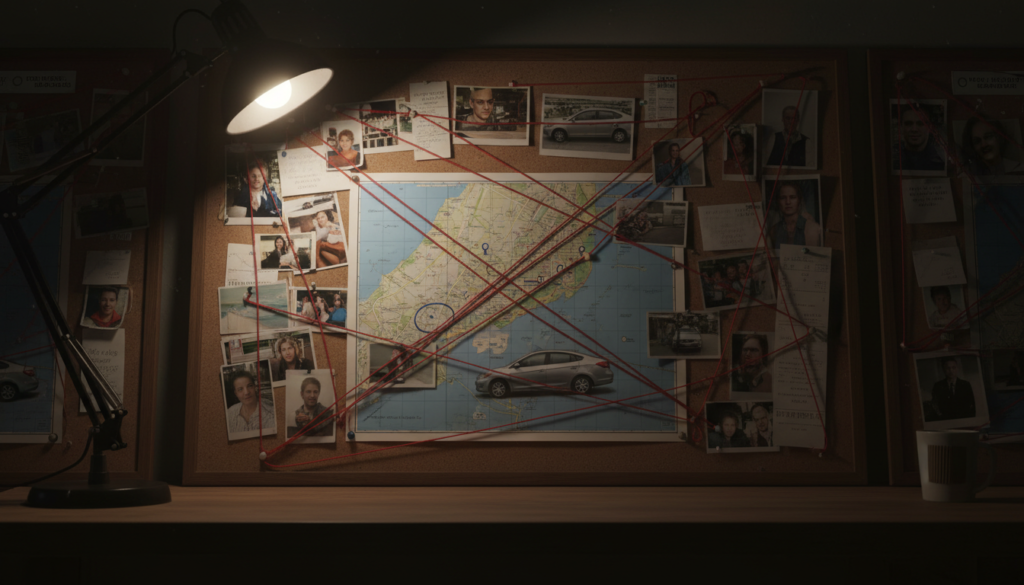
1. Bondi Beach Terror: Declassified Docs Reveal Shocking ‘Dry Run’ and Intelligence Gaps
2. Brainx Perspective
At Brainx, we believe that the declassified details of the Bondi Beach tragedy serve as a grim wake-up call regarding domestic terror threats. The revelation of methodical planning—spanning months of tactical training and reconnaissance—demands a rigorous re-evaluation of how intelligence agencies monitor dormant threats and the accessibility of firearms in our communities.
3. The News
Declassified Documents Expose “Meticulous” Plot
New harrowing details have emerged following the lifting of a suppression order regarding the tragic attack at Bondi Beach. A comprehensive police fact sheet and court documents have provided a minute-by-minute account of how a father and son, Sajid and Naveed Akram, allegedly planned and executed the terror attack that claimed fifteen lives during a Hanukkah celebration.
The Anatomy of Premeditation
The court documents reveal that the attack was the culmination of a deeply entrenched ideological radicalization and logistical planning phase, rather than a spontaneous act of violence.
- Countryside Training Camps: Video footage from October shows the pair conducting live-fire exercises in a remote area of New South Wales. Investigators noted the pair “firing shotguns and moving in a tactical manner,” rehearsing cover-and-fire techniques designed to maximize casualties.
- The “Dry Run”: Just 48 hours before the massacre, CCTV placed the accused and his father at Bondi Beach. They were seen walking the exact footbridge they would later use for the assault, assessing sightlines, crowd density, and escape routes.
- Radicalization: Digital evidence includes a video of the men sitting before an Islamic State (IS) flag, with Naveed Akram reciting Quranic passages and condemning “Zionists.”
The Day of the Attack: December 14
The timeline of the attack reveals a focused and disciplined execution:
- The Arsenal: Surveillance at a Campsie Airbnb captured the pair loading “long and bulky items” into their vehicle. This arsenal included two single-barrel shotguns, a Beretta rifle, and four improvised explosive devices (IEDs), including three pipe bombs and a “tennis ball bomb.”
- Execution: Arriving at Bondi at 18:50, the attackers placed IS flags in their vehicle before moving to the footbridge. They initiated the attack by throwing explosives. When these malfunctioned, they resorted to small arms fire, shooting directly into the crowd.
- The Aftermath: The rampage ended only when NSW Police engaged the gunmen. Sajid Akram was killed, and Naveed Akram was critically injured and captured.
Intelligence Failures and Political Fallout
The release of these documents has intensified scrutiny on the Australian government and intelligence agencies.
- Missed Flags: Prime Minister Anthony Albanese confirmed Naveed Akram was investigated in 2019 regarding ties to a terrorism cell but was assessed as having “no indication of any ongoing threat.”
- Public Outrage: The transition of a “person of interest” to an active shooter has sparked calls for a Royal Commission to investigate systemic failures.
- Legislative Reaction: The NSW parliament is debating emergency legislation to tighten gun ownership restrictions and potentially limit protest rights, a move sparking debate over civil liberties.
4. Why It Matters
This tragedy highlights a critical vulnerability in national security: the gap between identifying a potential threat and preventing an active attack. For the common citizen, it underscores the reality that safety relies not just on reactive policing, but on proactive, accurate intelligence. The resulting legislative changes may permanently alter civil liberties in the name of public safety.

Leave a Reply