Iran vows to punish protesters as Trump warns against executions
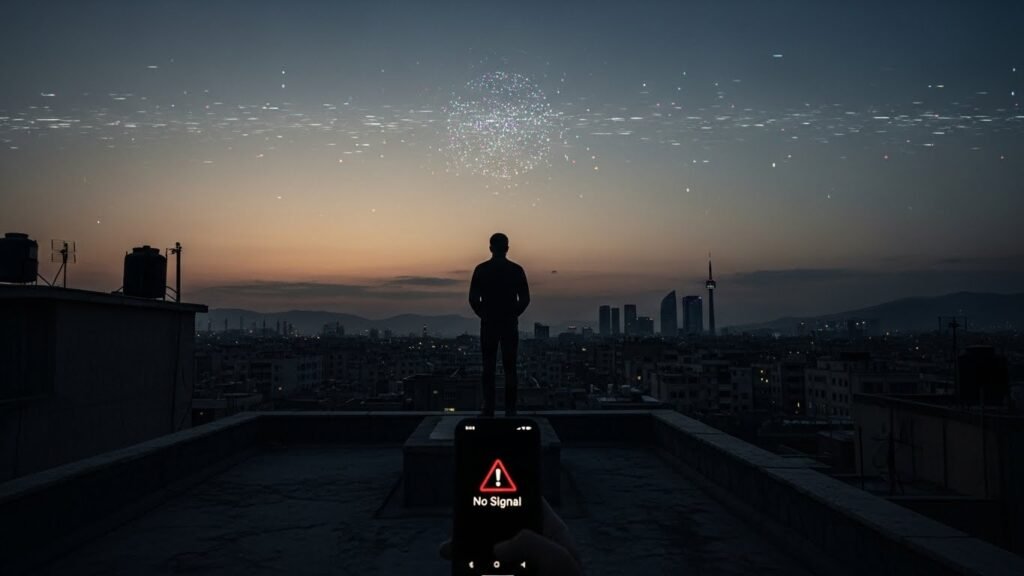
Iran’s Darkest Hour: Execution Looms, Internet Vanishes, and Trump Promises ‘Strong Action’
At Brainx, we believe the escalating crisis in Iran has crossed a terrifying threshold. The regime’s shift from physical suppression to advanced digital warfare—jamming satellite internet while threatening imminent executions—highlights a desperate and brutal struggle for control. This is no longer just a protest; it is a battle for the very flow of information and the sanctity of human life under the cover of darkness.
The Crisis: A Nation Under Siege
A catastrophic humanitarian and political crisis is unfolding in Iran as the government intensifies its crackdown on dissent. Following weeks of anti-government demonstrations, the situation has reached a boiling point with the looming execution of a young protester, a staggering death toll, and a suffocating information blackout that has severed the country from the outside world.
Reports emerging from Tehran describe an atmosphere that is “extremely heavy and tense,” as security forces tighten their grip on the capital. With communication lines cut and satellite internet reportedly jammed by military-grade technology, the international community is racing against time to prevent further atrocities.
Key Developments: The Crackdown by the Numbers
- Imminent Execution: Erfan Soltani, a 26-year-old protester, faces imminent execution today. Denied a lawyer and a retrial, his sentence follows a rushed judicial process that has drawn global condemnation.
- Staggering Death Toll: According to the Human Rights Activists News Agency (HRANA), at least 2,403 protesters have been killed since the unrest began.
- Mass Arrests: Over 18,000 individuals have been detained, with authorities threatening severe punishments for those labeled as “rioters.”
- Digital Warfare: Iran is in its sixth day of a total internet blackout. Even SpaceX’s Starlink terminals, intended to aid protesters, are being neutralized by regime jamming tactics.
- US Intervention: President Donald Trump has issued a stern warning to Tehran, promising “strong action” if protesters are executed and assuring demonstrators that “help is on its way.”
The Human Cost: Justice Denied for Erfan Soltani
The most immediate flashpoint in this crisis is the fate of Erfan Soltani. A relative of the 26-year-old told international media that Soltani was detained less than a week ago and subjected to a sham trial. The denial of legal counsel and the speed of his sentencing suggest a judicial system weaponized to instill fear rather than administer justice.
The US State Department has corroborated reports of the potential execution. This move appears to be part of a broader strategy announced by Iran’s judiciary chief, who stated that protesters charged with violence would be given “priority for trial and punishment.” By making an example of young demonstrators like Soltani, the regime aims to break the morale of a movement that has shown remarkable resilience.
The “Internal War”: Criminalizing Dissent
The rhetoric from Iranian officials has shifted from labeling the unrest as civil disobedience to classifying it as an armed conflict. Iran’s Minister of Justice, Amir Hossein Rahimi, declared today that anyone arrested for protesting from January 8 onwards is guilty of participating in an “internal war.”
This specific date is significant. January 8 marked the day Iran’s exiled Crown Prince, Reza Pahlavi, urged Iranians to form a “united front” and take to the streets. By drawing this line in the sand, the regime is effectively categorizing all subsequent political expression as treason or terrorism, punishable by the harshest measures available under Iranian law.
The Digital Iron Curtain: Jamming Starlink
Perhaps the most sophisticated aspect of this crackdown is the state-imposed communications blackout. For six days, the internet has been disconnected, a tactic designed to hide the scale of the violence from the world and prevent protesters from organizing.
While tech billionaire Elon Musk’s SpaceX activated Starlink satellite internet to provide a lifeline to Iranians, the regime has countered with unexpected technical capability. Experts report that Iranian authorities are employing military-grade jamming technology to degrade or block Starlink signals. This digital siege prevents families from contacting loved ones and stops evidence of human rights abuses from leaving the country. State-affiliated media has grimly predicted that this blackout will persist for the “next one to two weeks.”
Global Fallout: Trump vs. Tehran
The geopolitical stakes have risen sharply following the intervention of President Donald Trump. His direct warning to Iran—threatening “strong action” and encouraging protesters to continue—has triggered a furious response from Tehran.
- US Stance: Trump’s rhetoric implies a potential shift from diplomatic pressure to more tangible support for the opposition, evidenced by his cryptic assurance that “help is on its way.”
- Iran’s Retaliation: Tehran’s ambassador to the UN accused Trump of violating international law by inciting violence and threatening Iran’s sovereignty. Similarly, Ali Larijani, a top national security official, branded the US President as one of the “main killers of the people of Iran.”
Meanwhile, the United Nations Human Rights Council and at least four European nations have condemned the violence, with ambassadors being summoned to explain the “clear violations” of human rights law.
Why It Matters
This crisis represents a pivotal moment for the future of authoritarianism and digital resistance. If the Iranian regime successfully executes protesters under the cover of a total blackout while neutralizing advanced satellite technology like Starlink, it sets a chilling precedent for dictatorships worldwide. For the common man, this underscores the fragility of digital freedom; when the internet goes dark, the only witness left is the conscience of the international community.


Leave a Reply