Japan restarts world’s largest nuclear plant as Fukushima memories loom large
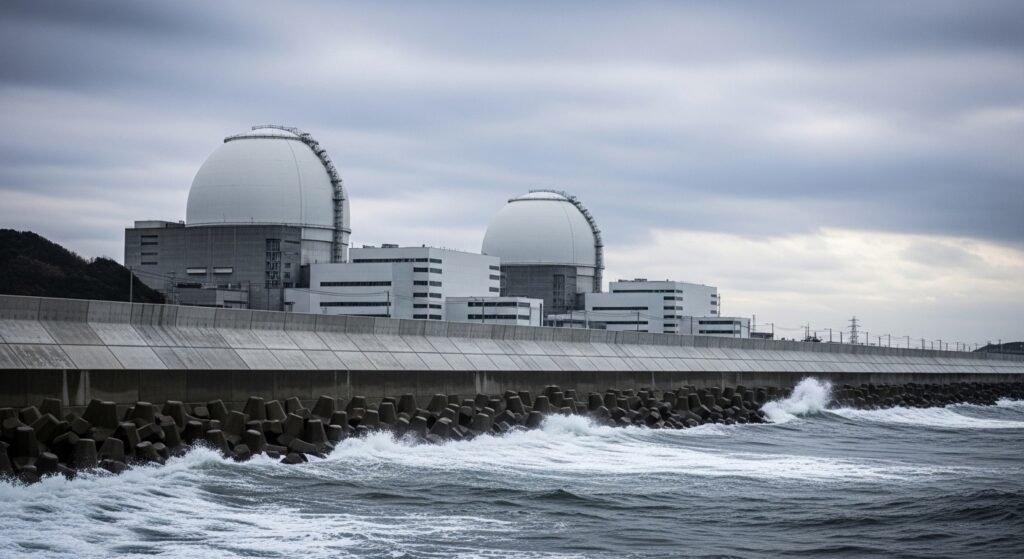
World’s Largest Nuclear Plant Roars Back to Life: Japan’s High-Stakes Gamble Post-Fukushima
2. Brainx Perspective
At Brainx, we believe the restart of the Kashiwazaki-Kariwa plant marks a defining moment in the global energy transition. This development highlights the harsh reality facing modern economies: the desperate need for reliable baseload power to fuel AI and data centers is beginning to outweigh the historical trauma of nuclear disasters. Japan is testing the waters of public trust, and the world is watching.
3. The News
In a historic move that ends nearly 15 years of silence at the facility, Japan has officially restarted operations at the Kashiwazaki-Kariwa nuclear power plant—the largest of its kind in the world. This marks the first time a reactor at this colossal facility has generated power since the 2011 Fukushima disaster prompted a nationwide nuclear shutdown.
The Restart Details:
- Operational Status: Reactor Number 6, located northwest of Tokyo, has been reactivated. Although delayed by 24 hours due to a minor alarm malfunction, it is scheduled to begin full commercial operations next month.
- The Owner: The plant is operated by Tokyo Electric Power Company (Tepco), the same utility responsible for the Fukushima Daiichi plant. This is the first Tepco-owned reactor to come back online since the 2011 crisis.
- Reduced Capacity: While Reactor 6 is active, full capacity is a distant goal. Reactor 7 isn’t expected to return until 2030, and the remaining five older reactors face potential decommissioning, leaving the plant with significantly less than its original 8.2-gigawatt output.
The Strategic Push: Prime Minister Sanae Takaichi, who took office in October 2025, is aggressively advocating for the “nuclear reboot.”
- Energy Security: Japan, heavily reliant on expensive fossil fuel imports, views nuclear power as essential for national security.
- Future Demand: The government cites the surging energy requirements of data centers and semiconductor manufacturing as key drivers for this policy.
- Net Zero Goals: The administration aims for nuclear power to provide 20% of Japan’s electricity by 2040 (down from a pre-2011 target of 50%) to meet net-zero emissions by 2050. Currently, nuclear accounts for only roughly 8.5%.
Safety and Scandals: The road to this restart has been paved with upgrades and marred by controversy.
- Physical Defenses: Following stricter post-Fukushima regulations, the plant now features 15-meter (49-foot) high seawalls to block tsunamis and watertight doors to protect critical cooling equipment.
- Eroded Trust: Public confidence remains shaky. Recent scandals, including a Tepco employee losing confidential documents by leaving them on a car roof in 2023, and data manipulation at Chubu Electric’s Hamaoka plant, have fueled skepticism.
- The Cost Factor: Experts warn that the rigorous new safety checks have made nuclear power significantly more expensive, potentially forcing the government to either subsidize costs or pass high bills onto already struggling consumers.
4. “Why It Matters” (Conclusion)
For the common man in Japan, this restart promises stabilization of soaring energy bills but brings with it the psychological weight of living near an active reactor again. Globally, it signals that major economies are prioritizing energy independence over safety idealism, accepting that in a high-tech future, nuclear power is a “necessary risk.”

Leave a Reply