Storm names 2025-26: How do storms like Goretti get their names?
1. Catchy Headline
Storm Goretti Strikes: Heavy Snow, 80mph Winds, and the Science Behind the Name
2. Brainx Perspective (Intro)
At Brainx, we believe that the arrival of Storm Goretti serves as a critical reminder of nature’s volatility in a changing climate. This development highlights not only the immediate need for vigilance across the UK and France but also validates the importance of the international storm naming protocol—a system designed not for novelty, but to save lives through clear, unified communication.
3. The News (Body)
As the new year begins, the meteorological calm has been shattered by the arrival of Storm Goretti. Named by Meteo-France due to its imminent severe impact on northern France, this weather system is set to unleash a significant combination of high winds and winter precipitation across the United Kingdom.
While the storm’s “eye” focuses on the continent, the UK Met Office warns that the periphery of the system will bring disruptive weather to British shores, particularly targeting the south-west and Wales.
Key Impacts and Forecast
- Primary Target: Northern France is bracing for the most severe winds, prompting the naming of the storm by French authorities.
- UK Wind Impact: South-west England will experience strong, potentially damaging gusts.
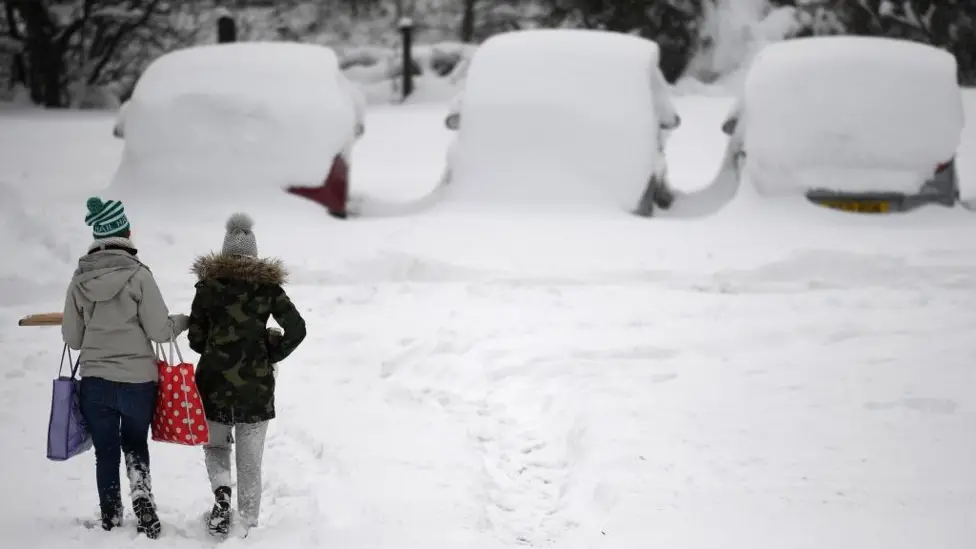
- Snow Risk: Unlike typical windstorms, Goretti brings a cold air mass, creating a high chance of widespread snow across Wales, as well as central and southern England.
- Consistency Rule: Although the UK Met Office did not name the storm, they have adopted the name “Goretti.” This adheres to the international convention: once a storm is named by one national agency (in this case, France), all other agencies use that name to prevent confusion among the public and travelers.
The 2025/26 Storm Season Context
The arrival of Goretti marks a significant escalation in what has been a relatively distinct storm season.
- The Season So Far: The 2025/26 season kicked off with Storm Amy, followed quickly by Storm Bram in early December 2025.
- Current Status: Goretti is the first named storm of the calendar year 2026.
- Next on the List: Should the UK or its direct partners (Ireland and Netherlands) name the next system, it will be called Chandra, followed by Dave and Eddie.
Deep Dive: The Science and Logic of Naming Storms
Why do we give human names to dangerous weather? According to Will Lang, the Met Office’s Head of Situational Awareness, the answer is simple: psychology.
- Awareness: Surveys conducted after Storm Floris (August 2025) revealed that 93% of people in Amber warning areas were aware of the alert because the storm was named.
- Action: More importantly, 83% of those people took specific action to protect themselves or their property.
- The Criteria: A storm is usually named based on wind strength, but heavy rain or snow can also trigger a name if the potential impact is deemed “Medium” or “High.”
The “Missing Letters” Mystery
You will never see a Storm Quentin or Storm Zoe. The naming convention strictly follows the US National Hurricane Center’s protocols to ensure consistency with Atlantic hurricane lists.
- Excluded Letters: Q, U, X, Y, and Z.
- Reason: It is statistically difficult to find six suitable, distinct names starting with these letters to rotate through the six-year cycle used by international bodies.
Climate Change and Future Storms
The link between specific storms and climate change remains complex, but patterns are emerging. Met Office scientist Emily Carlisle notes that while we cannot pin every gust on global warming, the nature of our storms is shifting.
- Clustering: Evidence suggests windstorms in north-west Europe may become more “clustered,” meaning we could face multiple intense storms in rapid succession (similar to the Dudley-Eunice-Franklin cluster of 2022).
- Storm Surges: As sea levels rise, even standard storms will cause greater damage to coastal communities due to higher baseline water levels.
4. “Why It Matters” (Conclusion)
Storm Goretti is more than just a weather event; it is a test of our resilience and infrastructure. For the common man, understanding the “named storm” system is vital—it is the signal to secure property and alter travel plans. As climate patterns shift towards more clustered and intense weather events, heeding these warnings will become an essential survival skill for the future.
Extended Analysis: Understanding the “Storm Groups”
(Bonus Section for In-Depth Readers)
To fully understand why a storm affecting the UK is named “Goretti” (a name not on the British list), one must understand the European coalition of weather services. Europe is divided into naming groups to ensure coordination.
1. The Western Group
- Members: Met Office (UK), Met Éireann (Ireland), KNMI (Netherlands).
- Current List: Amy, Bram, Chandra, Dave, Eddie, etc.
- Role: These nations collaborate. If a storm threatens Ireland first, Met Éireann names it. If it threatens the UK, the Met Office names it.
2. The South-western Group
- Members: Meteo-France (France), AEMET (Spain), IPMA (Portugal), RMI (Belgium).
- Role: Since Goretti hit France first, Meteo-France activated their list. The UK respects this decision to avoid a scenario where one storm has two names (e.g., “Storm Goretti” in Paris but “Storm Chandra” in London), which would be disastrous for cross-channel logistics and shipping.
Safety Guide: What to Do During Storm Goretti
With snow and wind forecast, Brainx recommends the following precautions:
- Secure Loose Objects: Bins, garden furniture, and trampolines are the first items to become missiles in high winds.
- Travel Smart: If you are in the snow warning zone (Wales/Central England), pack a winter kit (blanket, shovel, water) in your car.
- Power Preparation: Charge essential devices (phones, laptops) and have torches ready, as high winds often damage power lines.
- Stay Updated: Do not rely on yesterday’s forecast. Storm paths change rapidly. Follow the Met Office or local news for hour-by-hour updates.
By understanding the mechanics behind the weather—from the Jet Stream to the naming protocols—we transform from passive victims of the elements into informed, prepared citizens. Stay safe, stay warm, and watch the alerts.


Leave a Reply