Syrian army seizes country’s largest oil field from Kurdish forces
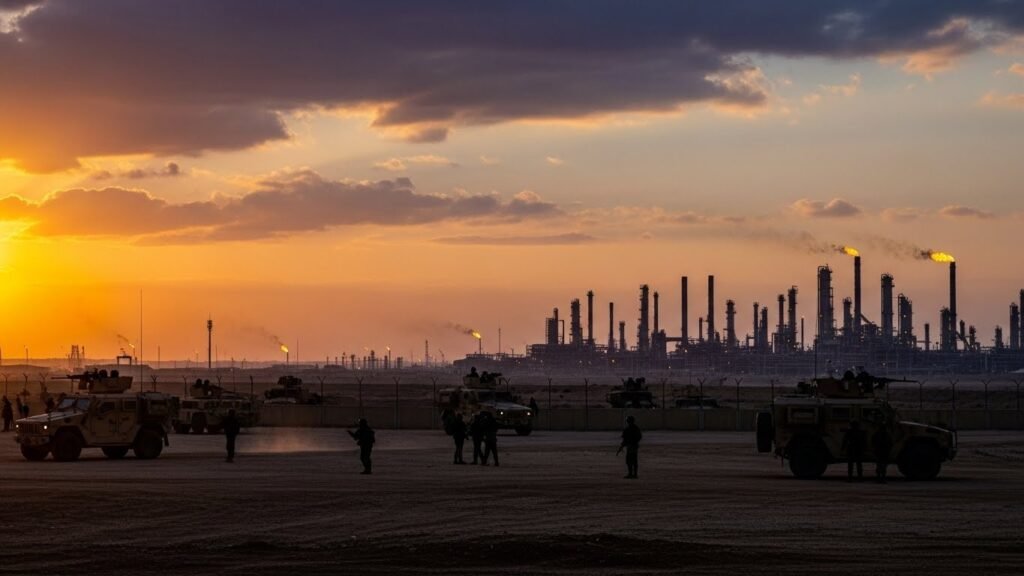
Power Shift in Syria: Army Seizes Largest Oilfield as Kurdish Forces Retreat East
2. Brainx Perspective
This development highlights the fragile reality of post-Assad Syria, where the battle for territory has evolved into a desperate scramble for economic lifelines. At Brainx, we believe the seizure of the Omar oilfield by government forces signals a decisive turning point: the central government is no longer negotiating for integration but is forcibly reclaiming the nation’s wallet from its former allies.
3. The News
In a major strategic shift in north-eastern Syria, government troops loyal to President Ahmed al-Sharaa have seized control of the country’s largest energy assets. Following a tense standoff and deadly clashes, the Kurdish-led Syrian Democratic Forces (SDF) have withdrawn from key positions, reshaping the map of control in the war-torn nation.
Key Developments on the Ground:
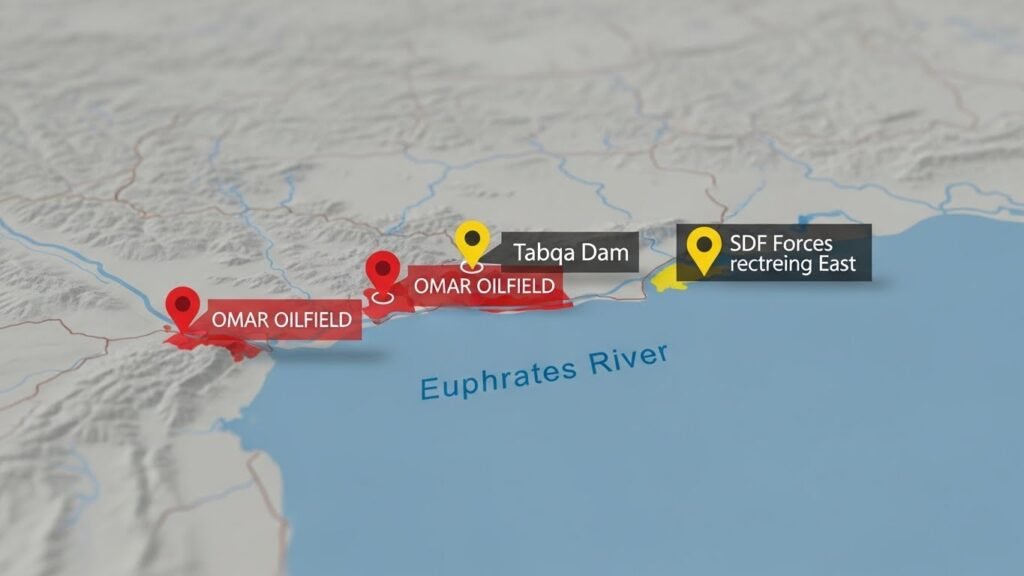
- Seizure of Strategic Assets: Syrian army units have officially taken control of the Omar oilfield, the largest in the country, along with nearby gas fields in Deir Ezzor province. This follows the capture of the strategic Tabqa dam on the Euphrates River just days earlier.
- SDF Withdrawal: The Kurdish-led SDF, a key US ally in the fight against ISIS, announced a redeployment to the east of the Euphrates River. This retreat comes after heavy pressure and a breakdown in negotiations with the central government.
- Scorched Earth Allegations: As they retreated, Syrian authorities accused SDF operatives of blowing up critical infrastructure to hinder the army’s advance. This includes the destruction of two bridges on the Euphrates, most notably the new al-Rashid bridge in Raqqa.
- Political Concessions: Just prior to the military push, President al-Sharaa attempted a diplomatic olive branch. On Friday, he issued a historic decree recognizing Kurdish as a national language and declaring the Kurdish New Year (Nowruz) an official holiday—the first formal recognition of Kurdish rights since Syria’s independence in 1946.
- Casualties and Clashes: The transfer of power was not entirely peaceful. Last week, clashes in the northern city of Aleppo reportedly left at least 12 people dead, signaling that the friction between the two factions remains volatile.
The Context of the Conflict:
This escalation stems from the failure of the “March 2025 Agreement.” Following the ouster of Bashar al-Assad in late 2024, the new government under President al-Sharaa sought to integrate the SDF’s military and civil administration into the national state apparatus. Despite signing a deal to unify the country, implementation has stalled for nearly a year, with both sides trading accusations of non-compliance.
The United States finds itself in a precarious diplomatic bind. Washington has spent years arming and training the SDF to fight the Islamic State but also supports the legitimacy of the new Syrian government. Attempts by US officials to broker a ceasefire and manage the withdrawal appear to be the only thing preventing a full-scale civil war between the two former allies.
4. “Why It Matters”
For the common Syrian citizen, this consolidation of oil wealth by the central government could mean the return of a functioning national economy and electricity grid. However, it also creates a dangerous precedent; if political integration fails, the Kurdish minority risks losing their autonomy, potentially igniting a new insurgency that could destabilize the region for years to come.
Deep Dive: The Geopolitics of Black Gold
(Extended Analysis for Brainx Ultimate Readers)
To understand the gravity of the Omar oilfield seizure, one must look beyond the map and look at the money. For the past decade, the SDF has funded its autonomous administration largely through oil revenue from Deir Ezzor. Losing the Omar field effectively bankrupts the Kurdish autonomous project, forcing them into a position of weakness at the negotiating table.
The US Dilemma The United States is currently walking a tightrope. By allowing the SDF to lose their primary revenue source, Washington risks abandoning the very force that defeated the ISIS caliphate. However, backing the SDF against the recognized central government of President al-Sharaa risks alienating the new Syrian state and pushing it toward other global powers.
The Future of the “March 2025” Deal The failure to implement the integration deal suggests deep-seated mistrust. While President al-Sharaa’s decree regarding the Kurdish language is historic, it may be too little, too late. The Kurdish leadership likely views the military advance as a betrayal, while Damascus views the SDF’s continued autonomy as a threat to national sovereignty. The coming months will determine if Syria becomes a unified federal state or fractures once again.


Leave a Reply