Border Flames Ignite: Pakistan–Afghanistan Conflict Escalates Into Open Warfare After Airstrikes
Brainx Perspective
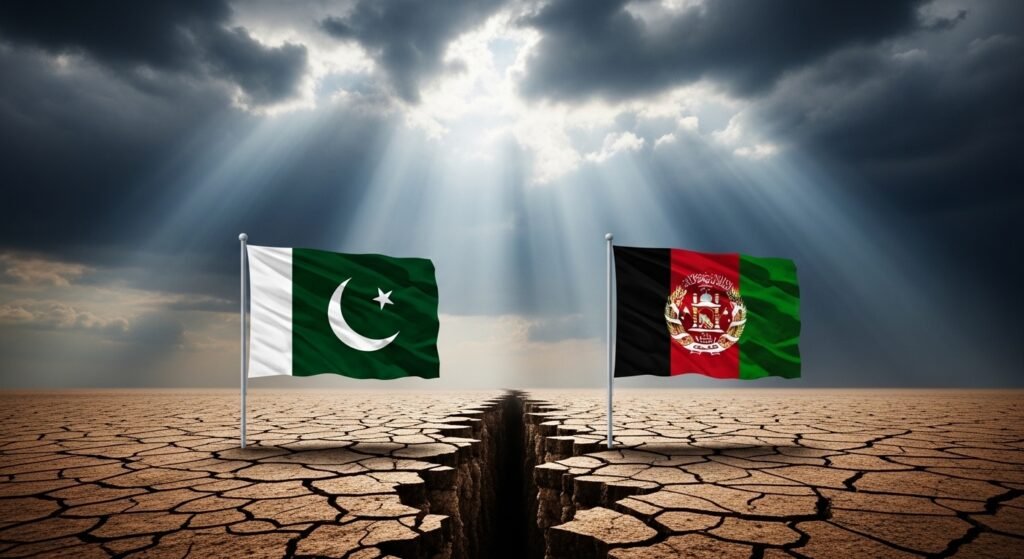
At Brainx, we believe this development highlights how fragile regional stability can unravel within hours when diplomacy fails. Rising cross-border retaliation between nuclear-armed Pakistan and Taliban-ruled Afghanistan signals a dangerous geopolitical flashpoint with global implications for security, migration, and counter-terror strategy across South Asia.
The News
Tensions between Pakistan and Afghanistan have sharply escalated after military strikes, counter-strikes, and conflicting casualty claims pushed the situation toward what officials described as an “open war.”
Key Developments
- Khawaja Muhammad Asif, Pakistan’s defence minister, declared that patience had run out following a series of cross-border attacks.
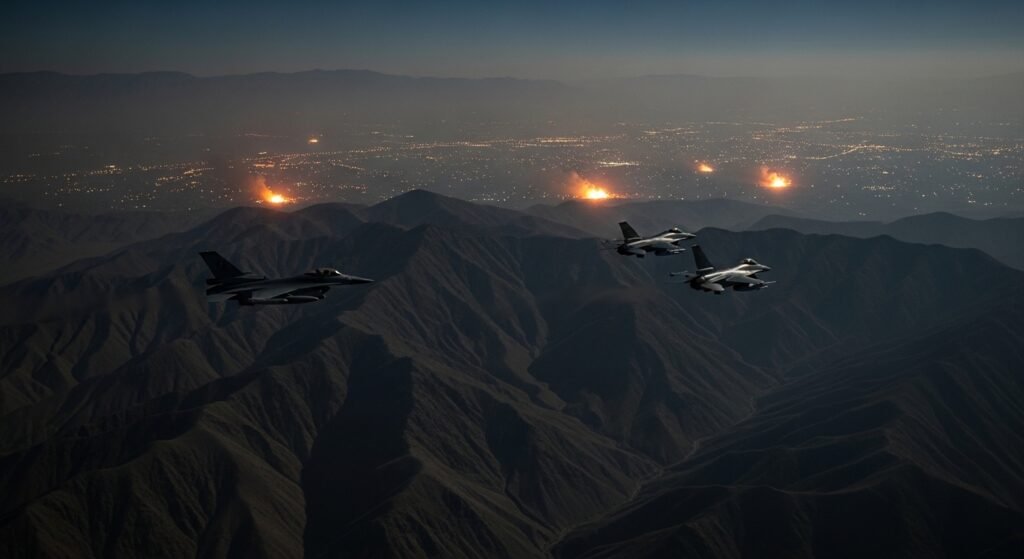
- Islamabad launched overnight airstrikes targeting sites in Kabul, Kandahar, and Paktika, calling them responses to “unprovoked aggression.”
- The strikes followed a Taliban-announced offensive against Pakistani military positions along the border.
- Pakistan’s military stated it hit 22 Afghan military targets and claimed more than 200 Taliban fighters killed, while reporting 12 Pakistani soldiers dead.
- Taliban spokesperson Zabihullah Mujahid disputed the figures, saying only 13 fighters died, with additional injuries and civilian casualties.
- Independent verification of either side’s casualty claims has not yet been confirmed.
How the Conflict Escalated
The latest confrontation marks the most serious deterioration since an October ceasefire temporarily reduced hostilities. That agreement failed to evolve into a comprehensive peace framework, as both governments accused each other of insincerity during negotiations.
According to Taliban statements, a retaliatory operation began Thursday evening local time, during which fighters allegedly seized 19 Pakistani posts and two bases and killed dozens of soldiers. Pakistan swiftly rejected the claims and described the assault as a miscalculated attack met with an immediate counter-response.
Islamabad then initiated air raids across multiple Afghan cities early Friday, targeting what it called militant positions near the mountainous border stretching roughly 2,600 km. Officials said the operation was precise and defensive in nature.
Drone Allegations and Counter-Claims
Both sides accused the other of using advanced tactics:
- Taliban officials alleged drone strikes inside Pakistan.
- Pakistan’s Information Minister Atta Tarar said Pakistani forces intercepted Afghan drones targeting Swabi, Nowshera, and Abbottabad.
- Abbottabad is particularly sensitive because it hosts a major military academy and garrison installations.
Meanwhile, Taliban authorities claimed rockets struck a refugee camp in Nangarhar, injuring civilians who had recently returned from Pakistan. These reports remain unverified.
Leadership Statements Signal Hardening Positions
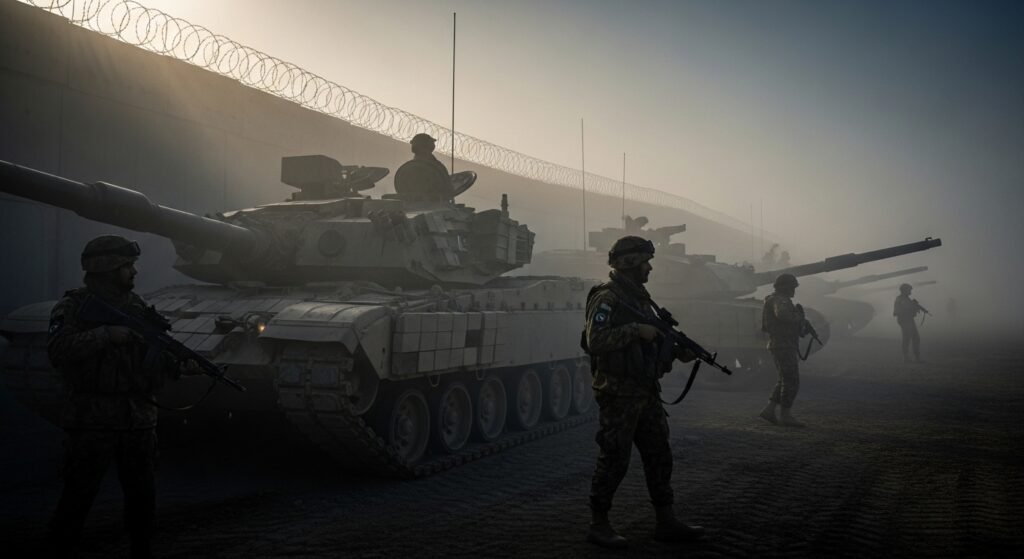
Pakistan’s Prime Minister Shehbaz Sharif emphasized that the country’s armed forces possess the capability to defeat any hostile intentions and vowed no compromise in defending national sovereignty.
On the diplomatic front:
- Pakistan’s Foreign Minister Ishaq Dar spoke with Turkish Foreign Minister Hakan Fidan to coordinate responses and stress regional stability.
- He also held talks with Saudi Foreign Minister Faisal bin Farhan Al Saud.
- Iran offered to mediate dialogue, urging peaceful resolution.
- UK Home Secretary Yvette Cooper called for immediate de-escalation and renewed negotiations.
Long-Standing Roots of the Conflict
The crisis is not an isolated incident but part of a broader pattern of tension.
For years, Pakistan has accused Afghanistan’s Taliban government of sheltering anti-Pakistan militant groups responsible for attacks inside Pakistan, including suicide bombings. Kabul has repeatedly denied these accusations and countered that Islamabad interferes in Afghan affairs.
Security analysts note that mistrust between the two governments intensified after the Taliban regained power in Afghanistan in 2021. Since then:
- Cross-border skirmishes have become more frequent.
- Diplomatic channels have struggled to produce lasting agreements.
- Refugee movements and border closures have worsened humanitarian concerns.
Conflicting Narratives and Information War
In modern conflicts, controlling the narrative is nearly as important as controlling territory. Both sides released casualty figures portraying themselves as successful while minimizing losses. Such discrepancies are common in active conflicts where independent observers lack access to verify claims.
Taliban spokesman Mujahid briefly posted — then deleted — a statement on social media claiming retaliatory strikes against Pakistani positions inside Afghan provinces. Analysts interpret the deletion as a sign of internal messaging recalibration or diplomatic sensitivity.
Civilian Anxiety Along the Border
Residents in affected Afghan cities reported relative calm after the initial strikes, but tension remains high on both sides of the frontier. Local populations fear renewed displacement if fighting continues.
Border communities, especially in Pakistan’s north-western regions, have experienced repeated closures, security sweeps, and trade disruptions during past confrontations. Such instability often hits small traders, transport workers, and daily wage earners the hardest.
Strategic Importance of the Region
The Pakistan-Afghanistan border is among the world’s most geopolitically sensitive frontiers. Its rugged terrain and porous stretches make it difficult to monitor, allowing militant groups and smugglers to move between countries.
Security experts warn that sustained escalation could:
- Destabilize South Asian security architecture.
- Complicate counter-terror operations.
- Increase refugee flows.
- Strain international diplomatic relations.
Global Reactions and Diplomatic Pressure
International actors are closely monitoring developments. Regional powers and Western governments alike have called for restraint, emphasizing that further escalation could ignite a broader crisis.
Diplomatic observers note that both Pakistan and Afghanistan face internal economic and political pressures, which can sometimes influence foreign policy decisions and military postures. As tensions rise, global mediators may intensify efforts to bring both sides back to negotiation tables.
Why It Matters (Conclusion)
Escalating hostilities between neighboring states threaten not only regional peace but everyday livelihoods tied to border trade, migration, and security. If tensions persist, civilians could bear the greatest burden. Stability between these nations is essential for economic growth, counter-terror efforts, and long-term peace across South and Central Asia.
Leave a Reply