US launches strikes against Islamic State in Nigeria
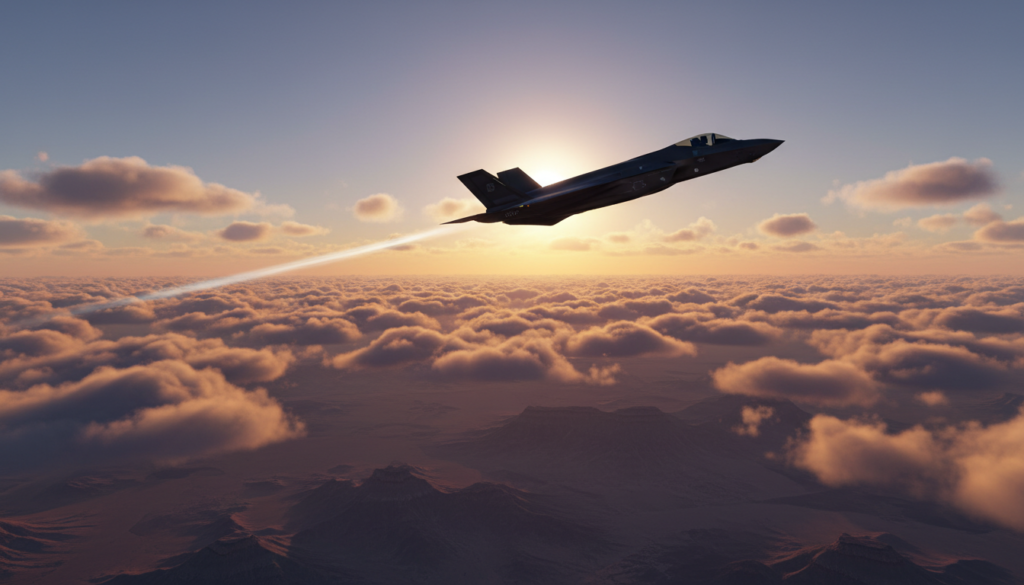
Trump’s “Christmas Gift” to Nigeria: Inside the High-Stakes U.S. Airstrikes on the Lakurawa Terror Network
Brainx Perspective
At Brainx, we believe the Christmas Day airstrikes in Nigeria represent a profound shift in American foreign policy—one where military intervention is increasingly framed through the lens of religious protection. This development highlights a strategic pivot toward “retributive diplomacy,” where the U.S. willing to bypass traditional constraints to project power in the Sahel.
The News: A New Frontier in the War on Terror
On December 25, 2025, while much of the world was in holiday repose, the United States military executed a series of “powerful and deadly” precision airstrikes against militant camps in northwestern Nigeria. This operation, authorized by President Donald Trump, marks the most significant direct U.S. military intervention in West Africa in recent history.
Key Facts of the Operation:
- The Strategic Strike: U.S. forces, reportedly utilizing Tomahawk missiles and Reaper drones launched from vessels in the Gulf of Guinea, targeted Islamic State-affiliated camps in Sokoto State. Specific hits were confirmed in villages like Jabo, Warriya, and Alkassim.
- The Target Profile: The primary target was the Lakurawa, an emerging jihadist splinter group aligned with the Islamic State Sahel Province (ISSP). Previously known as a seasonal vigilante group, Lakurawa has recently militarized, imposing strict Sharia laws and “zakat” taxes across the Nigeria-Niger border.
- Presidential Framing: President Trump characterized the strikes as a defense of religious freedom, labeling the militants “terrorist scum” and asserting they had been “slaughtering innocent Christians” at historic levels. He famously referred to the operation as a “Christmas present” to the persecuted.
- The “Joint” Narrative: Nigerian Foreign Minister Yusuf Maitama Tuggar clarified that the strikes were a result of months of intelligence sharing. He emphasized that the operation was “not targeting any religion” but was a tactical hit on terrorists threatening all Nigerians, regardless of faith.
- Diplomatic Coordination: The strike followed a 19-minute phone call between U.S. Secretary of State Marco Rubio and Minister Tuggar, with final approval granted by Nigerian President Bola Ahmed Tinubu.
- Global Context: This action mirrors “Operation Hawkeye Strike” in Syria, which occurred just a week prior, where U.S. forces hit over 70 targets in retaliation for an ambush near Palmyra that killed three Americans.
The Rise of Lakurawa: From Vigilantes to Terrorists
To understand why the U.S. intervened now, one must look at the evolution of the Lakurawa group. Unlike Boko Haram in the Northeast, Lakurawa began as a localized response to banditry.
- Migration and Settlement: The group comprises herdsmen from Mali and Niger who settled in Sokoto around 2018.
- Radicalization: Over the last 18 months, they transitioned from community protectors to an oppressive Islamist force, recruiting local youths with sign-on bonuses of up to ₦1,000,000 and modern surveillance equipment, including drones.
- Governance: They began dethroning local leaders who did not comply with their heterodox practices and established “Darul Islam” camps in remote forests that are inaccessible to the regular Nigerian police.
Washington vs. Abuja: A Clash of Perspectives
While the military cooperation appears seamless, the political messaging remains starkly divided.
- The Trump Doctrine: The administration has designated Nigeria as a “country of particular concern” regarding religious freedom. Defense Secretary Pete Hegseth bolstered this, stating the U.S. “will never hesitate” to hunt down those targeting Christians.
- The Abuja Reality: The Nigerian government is wary of sectarian framing. With a population split almost 50/50 between Muslims and Christians, officials fear that labeling the conflict as purely religious could inflame internal tensions. They maintain that the victims of Lakurawa and Boko Haram have historically been predominantly Muslim residents of the North.
The Sahel Security Vacuum
The U.S. intervention comes at a time when traditional military partnerships in Africa are crumbling. Following coups in Niger, Mali, and Burkina Faso, Western forces have been expelled from several key bases.
- Reduced Footprint: With the U.S. military presence scaling back in physical bases, “long-range precision strikes” have become the preferred tool of the Trump administration.
- Regional Consequences: Analysts warn that while these strikes provide a temporary setback, they do not address the “ungoverned spaces” where these groups thrive. Without a persistent ground presence or development aid, the cycle of insurgency is likely to continue.
Why It Matters
For the common man in Nigeria, these strikes represent both a hope for security and a fear of escalating foreign intervention. If the U.S. continues to frame its African operations through a sectarian lens, it risks alienating local Muslim populations who are also suffering. In the long term, this sets a precedent for “over-the-horizon” warfare in Africa, where the sky can glow red at a moment’s notice.
Leave a Reply