Army puts 1,500 soldiers on standby for possible Minnesota deployment, AP sources say
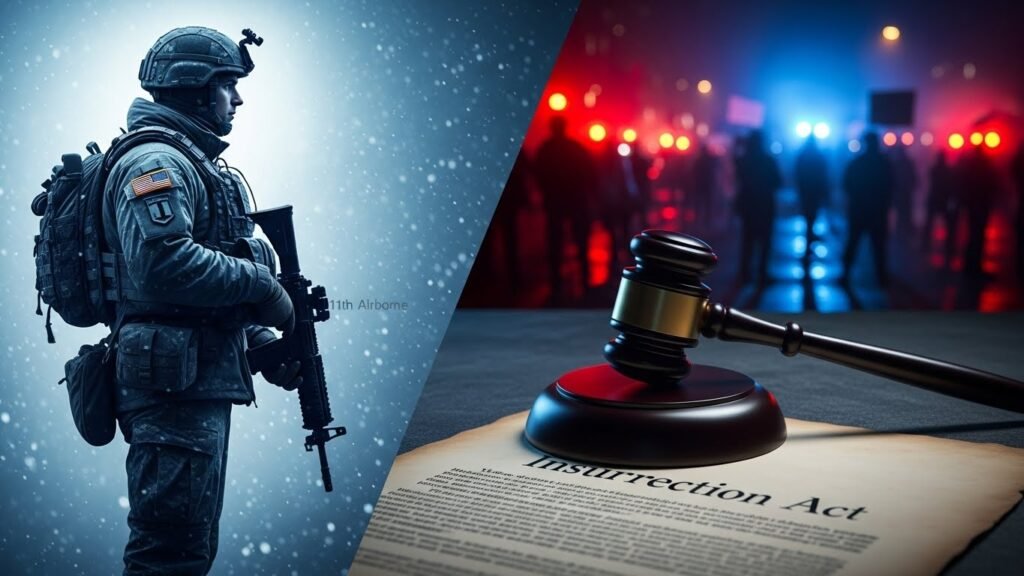
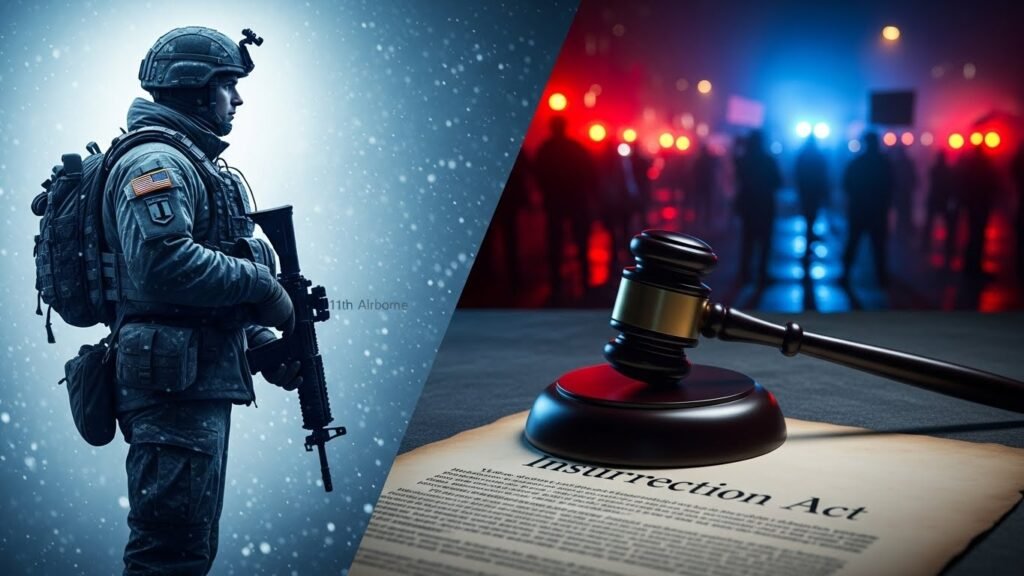
Pentagon Alert: 1,500 Troops Readied for Minnesota as Insurrection Act Looms Over Immigration Crisis
2. Brainx Perspective
At Brainx, we believe the mobilization of active-duty combat troops for domestic law enforcement represents a critical stress test for American democracy. This development highlights the deepening fracture between federal power and state autonomy, raising urgent questions about civil liberties and the precedent set when soldiers trained for foreign warfare are positioned to patrol domestic streets.
3. The News
In a significant escalation of tensions between the White House and the state of Minnesota, the Pentagon has issued prepare-to-deploy orders to active-duty military personnel. This move comes amidst a massive federal immigration enforcement operation that has sparked widespread protests and political standoff.
The Mobilization Order Two defense officials, speaking on condition of anonymity due to the sensitivity of the plans, confirmed that approximately 1,500 active-duty soldiers have been placed on high alert.
- The Unit: The orders were issued to two infantry battalions of the Army’s 11th Airborne Division.
- The Origin: These troops are based in Alaska and are specialized in “Arctic” warfare and operating in extreme cold conditions—skills that may be deemed relevant for a Minnesota winter deployment.
- The Mission: The troops are standing by to deploy specifically to Minnesota should President Donald Trump invoke the Insurrection Act.
The Legal Weapon: The Insurrection Act of 1807 The core of this deployment strategy relies on a 19th-century law that grants the President sweeping powers.
- Authority: The Insurrection Act allows the President to bypass the Posse Comitatus Act (which generally forbids using the military for domestic policing) and deploy active-duty troops to suppress civil disorder, insurrection, or rebellion.
- Presidential Threat: On Thursday, President Trump took to social media to threaten the use of this law. He stated he would invoke it “if the corrupt politicians of Minnesota don’t obey the law and stop the professional agitators and insurrectionists from attacking the Patriots of I.C.E.”
- Walk-Back: By Friday, the President appeared to soften his stance slightly, telling White House reporters there wasn’t a reason to use the act “right now,” though he emphasized, “If I needed it, I’d use it. It’s very powerful.”
The Context: Immigration Crackdown and Civil Unrest The deployment orders are not happening in a vacuum but are the result of days of escalating conflict in Minnesota.
- Federal Operation: Federal authorities have been conducting a massive, high-visibility immigration enforcement operation in the state.
- The Reaction: The crackdown has triggered significant protests, which the President has characterized as attacks by “agitators” against Immigration and Customs Enforcement (ICE) agents.
- Pentagon Stance: While not confirming specific operational details, Pentagon chief spokesman Sean Parnell stated that the military “is always prepared to execute the orders of the Commander-in-Chief if called upon.”
Political Fallout and State Response The potential arrival of federal troops has drawn sharp rebuke from state leadership.
- Governor’s Appeal: Minnesota Governor Tim Walz, a Democrat and frequent political target of the President, has publicly urged de-escalation. “I’m making a direct appeal to the President: Let’s turn the temperature down,” Walz said. “Stop this campaign of retribution. This is not who we are.”
- Historical Echoes: Trump previously threatened to use the Insurrection Act in 2020 following the murder of George Floyd in Minneapolis. The act was last successfully invoked in 1992 by President George H.W. Bush during the Los Angeles riots.
Deep Dive: The Strategic and Historical Implications
To understand the gravity of this news, one must look beyond the immediate headlines. The deployment of the 11th Airborne Division—a unit famed for its “Arctic Angels” moniker—signals a specific tactical choice. Unlike National Guard units, which are often community-based and under the dual control of the Governor and the President, these are federal troops answerable solely to the Commander-in-Chief.
Why the 11th Airborne? The choice of an Alaska-based unit is notable. While logistical proximity to Minnesota is not the primary factor (as other bases are closer), their specialized training in cold weather operations makes them uniquely suited for a Minnesota winter deployment. However, infantry battalions are trained for combat, not crowd control or de-escalation. Their presence on American soil inevitably changes the dynamic of any protest from a civil disturbance to a militarized zone.
The Threshold of “Insurrection” The debate centers on whether the current unrest meets the legal threshold of an “insurrection.” Critics argue that protests against immigration policy, even if disruptive, are a protected form of speech. The Administration, however, frames the obstruction of ICE agents as a direct challenge to federal law enforcement, thereby justifying the use of the Act. This interpretation could dramatically lower the bar for future military interventions in domestic affairs.
Minnesota: Ground Zero for Federal-State Conflict Minnesota has increasingly become a flashpoint in national politics. From the 2020 unrest to the current immigration crackdowns, the state represents the friction point between progressive local governance and conservative federal enforcement. The “campaign of retribution” mentioned by Governor Walz suggests a belief that the state is being singled out for political reasons rather than genuine security concerns.
4. “Why It Matters” (Conclusion)
This standoff is not merely a local dispute; it redefines the boundaries of presidential power in the modern era. For the common citizen, the normalization of military intervention in domestic protests could fundamentally alter the right to dissent. It signals a future where political disagreements are potentially settled not by dialogue or local police, but by the overwhelming force of the federal military.


Leave a Reply