He once criticised African leaders who cling to power. Now he wants a seventh term
Uganda’s Forever President? Museveni Eyes 7th Term at 81 Amid Gen-Z Fury
2. Brainx Perspective
At Brainx, we believe the upcoming election in Uganda is not just a political contest; it is a generational collision. Yoweri Museveni’s bid to extend his 40-year rule highlights a profound disconnect between an aging leadership rooted in 20th-century liberation struggles and a youthful, digital-native population hungry for change. This election will test whether “stability” is still a winning currency in a nation where three-quarters of the citizens have never known another leader.
3. The News
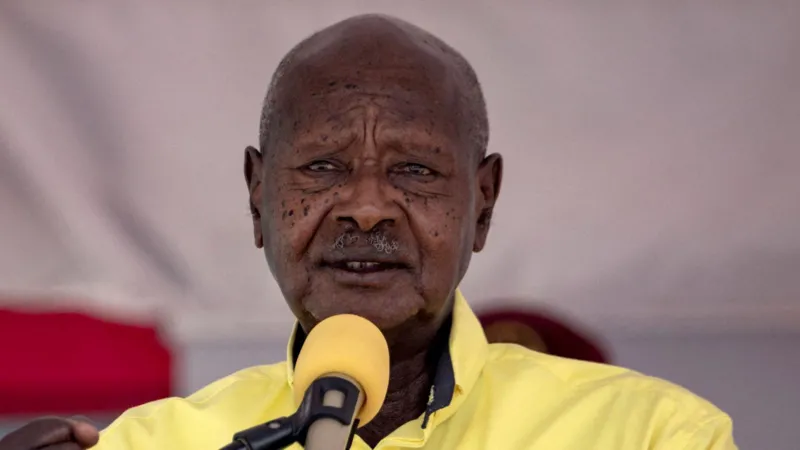
As Uganda prepares for its presidential election on Thursday, January 15, 2026, the 81-year-old incumbent Yoweri Museveni shows no intention of relinquishing the power he seized four decades ago. Having ruled since 1986, Museveni is seeking a controversial seventh term, pitting his “security first” legacy against a restless young population demanding a new future.
The Man Who Won’t Budge:
- Decades of Dominance: Museveni took power after a five-year guerrilla war in 1986. For the majority of Ugandans—over 75% of whom are under 40—he is the only president they have ever seen.
- Constitutional Engineering: His longevity has been secured through controversial legal changes. Term limits were scrapped in 2005, and the presidential age limit was removed in 2017, sparking parliamentary brawls but ultimately clearing his path to rule for life.
- The 2026 Campaign: Running under the slogan “Protecting the Gains,” Museveni argues that his continued leadership is essential to safeguard Uganda’s peace and economic growth against chaos.
The Opposition and Succession:
- Bobi Wine’s Challenge: His primary rival is the 43-year-old pop star-turned-politician Bobi Wine (Robert Kyagulanyi). Wine captured 35% of the vote in 2021 and channels the frustration of the urban youth, though he faces immense pressure from state security forces.
- The “Muhoozi Project”: Speculation is rife that Museveni is grooming his son, military chief Gen. Muhoozi Kainerugaba, to succeed him. While Museveni denies this, Muhoozi’s rapid promotion and political activity suggest a dynastic transition is in motion.
A Legacy of Contradictions:
- Economic Growth: Supporters credit Museveni with stabilizing the economy (averaging 6% growth for a decade) and combating HIV/AIDS effectively in the 90s.
- Authoritarian Drift: Critics, however, point to a steady erosion of democracy. The removal of institutional checks, the jailing of opponents, and the militarization of politics have drawn sharp criticism from the West, once his staunch ally.
4. “Why It Matters” (Conclusion)
This election matters because it sets a precedent for the entire region. For the common Ugandan, the outcome will decide if their future is shaped by open democracy or dynastic succession. If the “old guard” wins without addressing the economic desperation of the youth, the illusion of stability may soon give way to unavoidable social unrest.



Leave a Reply