US to send ICE agents to Winter Olympics, prompting Italian anger
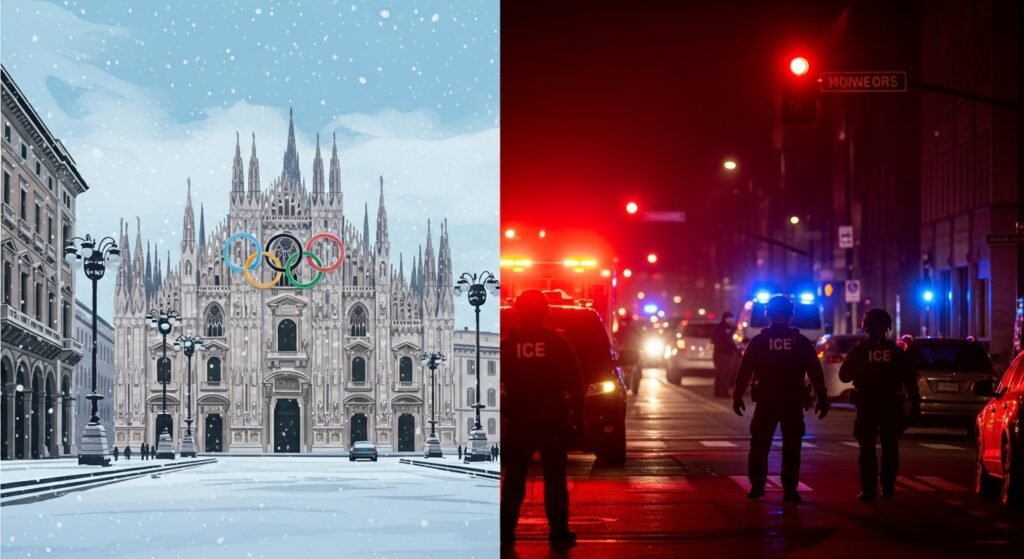
Milan vs. Minneapolis: Outrage Erupts as US ICE Agents Deployed to Italy’s Winter Olympics
Brainx Perspective
At Brainx, we believe this diplomatic row highlights a growing fracture between traditional alliance protocols and the evolving reputation of US domestic law enforcement. The deployment of ICE agents—currently embroiled in a domestic human rights scandal—to a European sovereign state for the Winter Olympics tests the limits of Italy’s diplomatic hospitality. It underscores a critical question: Can security cooperation survive when the partner agency is labeled a “militia” by the host city’s leadership?
The News: A Diplomatic Firestorm on the Eve of the Games
A significant diplomatic rift has opened between the United States and Italy just days before the opening ceremony of the Milan-Cortina Winter Olympics, set to begin on February 6, 2026. The controversy centers on the confirmed deployment of agents from the US Immigration and Customs Enforcement (ICE) to support security operations in Milan—a move that has triggered fierce backlash from Italian officials and the public alike.
The outrage stems from recent events in Minneapolis, where ICE officers were involved in two fatal shootings, including the death of intensive care nurse Alex Pretti. The graphic imagery emerging from the US has horrified Italian observers, leading to calls for the agents to be barred from Italian soil.
Key Developments
- The Deployment Confirmation: ICE officially confirmed on Tuesday that its Homeland Security Investigations (HSI) unit is sending agents to Italy. The agency stated its role is to “support the US Department of State’s Diplomatic Security Service and the host nation to vet and mitigate risks from transnational criminal organizations.”
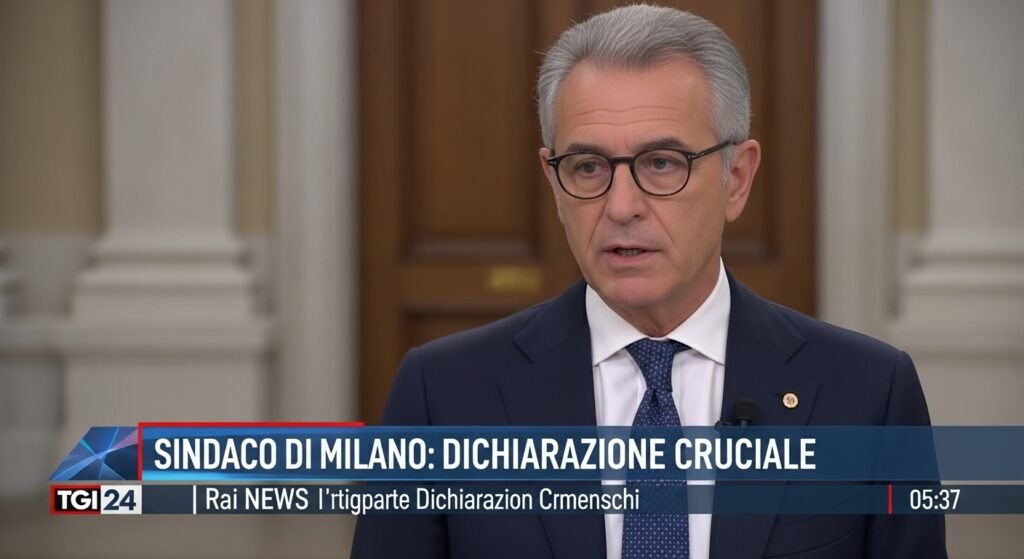
- “A Militia That Kills”: Milan Mayor Beppe Sala delivered a stinging rebuke on Italian radio, explicitly stating that ICE agents are “not welcome” in his city. He characterized the agency as “a militia that kills,” reflecting the deep anger felt in the host city regarding the recent violence in Minneapolis.
- The Minneapolis Connection: The controversy is fueled by the shooting of Alex Pretti in Minneapolis on Saturday morning. In the aftermath, a crew from the Italian public broadcaster Rai reported being threatened by ICE officials while covering the story. One agent was recorded warning the journalists that their car window would be smashed if they continued filming.
- Government Flip-Flop: Italy’s Interior Minister, Matteo Piantedosi, initially downplayed the issue, calling foreign security delegations “very normal.” However, following public outcry and pressure from the opposition, he pivoted to a stronger stance, asserting that “ICE will certainly not operate on Italian national territory” in an enforcement capacity.
- Protecting US Dignitaries: The Governor of the Lombardy region, Attilio Fontana, attempted to quell tensions by suggesting the agents are strictly there to provide protective detail for high-profile US attendees, including Vice President JD Vance and Secretary of State Marco Rubio.
Deep Dive: The Context of the Outrage
To understand the severity of this diplomatic spat, one must look at the specific climate in which these Games are taking place.
1. The Shadow of Minneapolis The death of Alex Pretti has become a flashpoint not just in the US, but globally. For Italians, watching a nurse gunned down by federal agents, followed by threats against their own national journalists (Rai), has painted ICE not as a law enforcement agency, but as an uncontrolled paramilitary force. Mayor Sala’s refusal to welcome them is unprecedented for a NATO ally hosting a major international event.
2. The HSI Distinction ICE is attempting to manage the PR crisis by distinguishing between its “Enforcement and Removal Operations” (ERO)—the branch typically associated with deportations and street arrests—and Homeland Security Investigations (HSI).
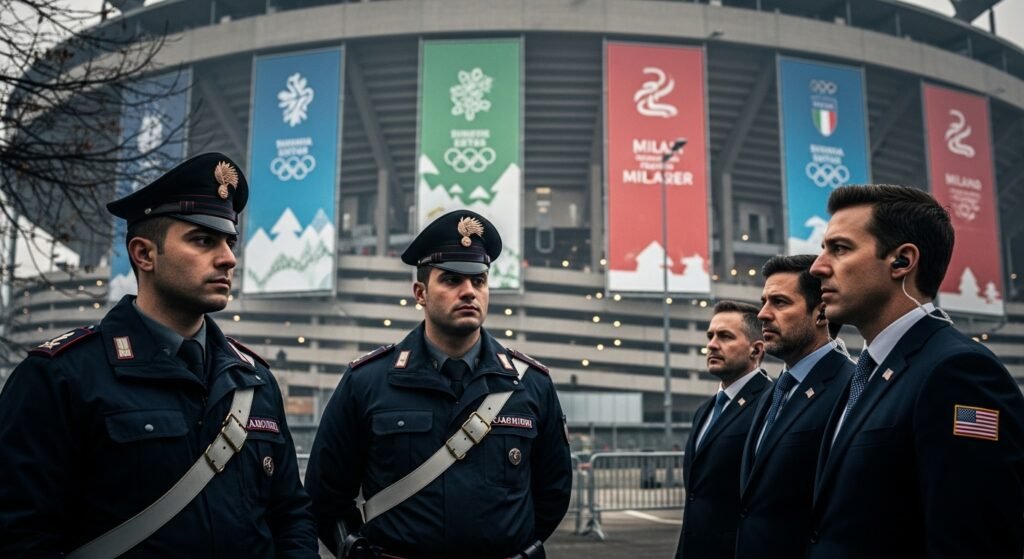
- ICE’s Defense: The agency argues that HSI has a long history of working at international sporting events (like the Super Bowl and World Cup) to combat human trafficking and intellectual property theft.
- The Reality: To the Italian public, this bureaucratic distinction is meaningless. The badge is the same, and the reputation of the agency has been tarnished by the violence in Minnesota.
3. Political Pressure on Meloni Italian Prime Minister Giorgia Meloni finds herself in a precarious position. As a right-wing leader often aligned with conservative US policies, she is facing accusations of “subservience” to President Donald Trump.
- The Opposition: Senator Barbara Floridia of the Five Star Movement has weaponized the government’s initial silence, calling it evidence of cowardice.
- The Pivot: The Italian government is now scrambling to assure citizens that Italian sovereignty remains intact, emphasizing that US agents will have no jurisdiction to act on Italian streets.
Why It Matters
This incident matters because it threatens to overshadow the spirit of the 2026 Winter Olympics before they even begin. For the common man in Milan, the presence of these agents is seen as an importation of American violence into their city. On a geopolitical level, it highlights the fragility of soft power; when a nation’s domestic stability cracks (as seen in Minneapolis), its international standing—and the welcome it receives abroad—crumbles with it.
Leave a Reply