China to relax travel rules for British visitors, UK says
Breaking: China Opens Doors to UK with Historic 30-Day Visa-Free Deal & $15bn Investment Surge
2. Brainx Perspective
At Brainx, we believe Prime Minister Keir Starmer’s pivot to Beijing marks a definitive end to the “ice age” of Sino-British relations. This development highlights a ruthless economic pragmatism: with post-Brexit growth stalling, the UK is betting big on Chinese capital despite security hawks screaming from the sidelines. The deal trades diplomatic friction for frictionless travel and investment, signaling that London is open for business—even if it means dancing with a dragon the US wants to cage.
3. The News
In a landmark shift that ends an eight-year diplomatic freeze, China has agreed to grant British citizens visa-free entry for up to 30 days. The announcement follows a high-stakes meeting between Prime Minister Sir Keir Starmer and President Xi Jinping in Beijing, designed to “reset” the relationship between the two nations.
The Key Agreements:
- Visa-Free Access: British nationals can now travel to China for business or tourism for up to 30 days without a visa. This aligns the UK with 50 other nations (including France and Germany) that already enjoy this privilege. The government aims to implement this “as soon as possible.”
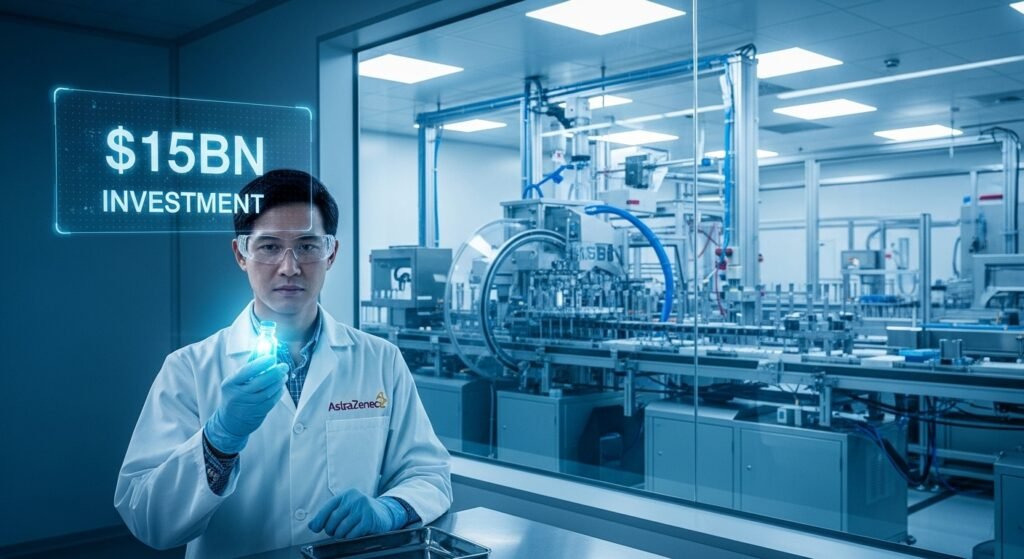
- The AstraZeneca Mega-Deal: Pharmaceutical giant AstraZeneca has committed to investing $15bn (£10.9bn) in China by 2030. This massive injection will fund new manufacturing sites and workforce expansion, cementing the company’s footprint in its second-largest market.
- Whiskey Tariff Slash: In a win for Scottish distillers, China agreed to cut import taxes on UK whiskey from 10% to 5%. Government estimates suggest this could boost UK exports by £250 million over the next five years.
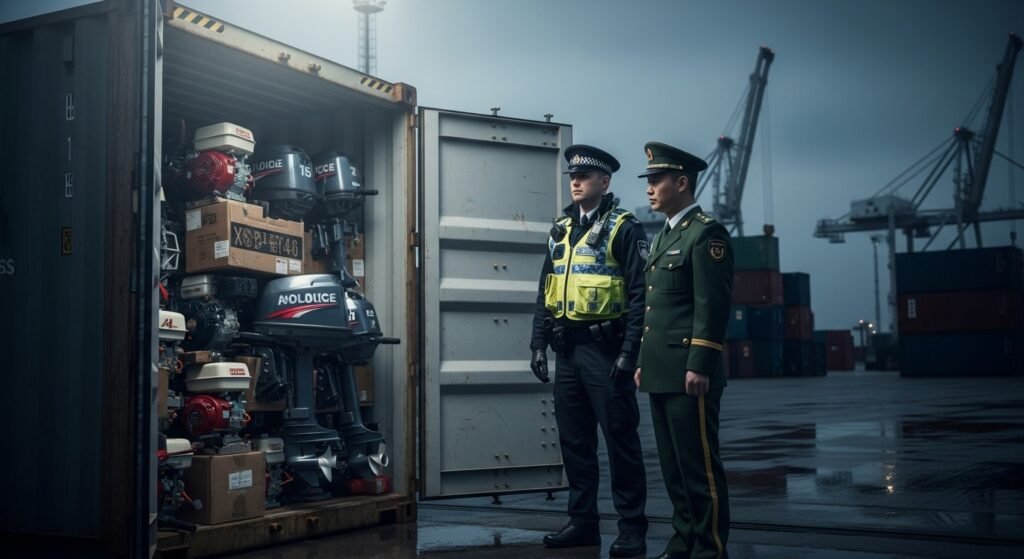
- Migration Crackdown: A new security pact will see UK and Chinese law enforcement collaborate to disrupt the supply chain of small boat engines. Intelligence suggests over 60% of engines used by cross-Channel smuggling gangs are Chinese-manufactured.
- Services Sector Expansion: Both nations agreed to explore negotiations for a formal “services agreement.” As the world’s second-largest services exporter, the UK aims to gain recognition for British professional qualifications in China, opening doors for finance, legal, and healthcare firms.
The Diplomatic Dance:
- A “Sophisticated” Relationship: Starmer explicitly called for a move away from “megaphone diplomacy,” seeking a relationship that can handle disagreements maturely. “Part of the rationale for engagement is… to have a mature discussion about issues that we disagree on,” he stated.
- Xi’s “Twists and Turns”: President Xi acknowledged that bilateral relations had suffered “twists and turns” that served neither country’s interests. He urged the UK to “rise above differences” to create a partnership that would “stand the test of history.”
- Gift Diplomacy: In a symbolic exchange, Starmer gifted Xi a football used in a recent Manchester United vs. Arsenal Premier League match (nodding to Xi’s reported United fandom), while Xi presented a copper horse statue and Premier Li Qiang gave three traditional flutes.
The Domestic & Geopolitical Backlash:
- Opposition Fury: Conservative leader Kemi Badenoch slammed the visit, arguing the UK should prioritize allies “aligned with our interests” rather than a nation allegedly undermining the British economy.
- The “All Give, No Take” Critique: Liberal Democrat foreign affairs spokesman Calum Miller accused Starmer of conceding too much without securing guarantees on national security.
- The Trump Shadow: The visit occurs against a backdrop of escalating global trade tensions, with US President Donald Trump threatening tariffs on nations (like Canada) that deepen ties with Beijing. Starmer’s move risks friction with Washington just as the transatlantic relationship becomes more volatile.
Deep Dive: The Economics of Pragmatism
(Why this deal is happening now)
The driving force behind this diplomatic thaw is undeniable economic necessity. The UK economy has struggled with stagnation, and “Global Britain” needs markets that are actually growing. China, despite its own slowdown, remains the factory of the world and a massive consumer base.
The Whiskey Tariff reduction is a prime example of targeted economic diplomacy. For years, Scotch whiskey has faced barriers in China while competitors faced lower hurdles. Halving the tariff is a direct injection of competitiveness for one of Britain’s most iconic exports.
Similarly, the Services Agreement feasibility study is the “holy grail” for the City of London. Britain doesn’t manufacture enough goods to balance its trade deficit with China, but it excels in services—banking, law, architecture, and consulting. Gaining privileged access to the Chinese services market could be worth billions, acting as a partial offset to the loss of frictionless EU trade.
The “Migration” Win: Political Gold?
For Starmer, the domestic headline isn’t just trade—it’s Small Boats. The Migration pact addresses a specific, technical bottleneck in the illegal migration crisis. By targeting the supply chain of dinghies and engines at the source (Chinese factories), the UK government hopes to cripple the logistics of smuggling gangs.
- The Reality Check: While 60% of engines are Chinese-made, enforcement is tricky. These are often generic, dual-use goods (e.g., for farming or fishing). Whether Beijing will expend real political capital to police low-value exports remains to be seen, but getting the commitment on paper is a political victory Starmer can sell to a skeptical British public.
The Human Rights Balancing Act
Starmer raised the cases of Jimmy Lai, the jailed pro-democracy tycoon in Hong Kong, and the treatment of Uyghurs in Xinjiang. However, the tone was markedly different from previous years. Instead of public condemnation defining the visit, these issues were framed as “areas of disagreement” within a broader cooperative framework. Critics argue this “compartmentalization” effectively sidelines human rights in favor of investment, a charge the Labour government denies, insisting that engagement allows for more effective advocacy than isolation.
4. “Why It Matters” (Conclusion)
This deal matters because it fundamentally rewires the UK’s post-Brexit survival strategy. For the common man, it means cheaper, easier holidays to the Great Wall and potential job growth in pharmaceutical and service sectors. However, it also tethers the British economy closer to an authoritarian superpower just as the Western world is fracturing. The gamble is simple: can Britain boost its wallet in Beijing without losing its soul—or its security—in the process?
Leave a Reply