How the Minnesota shooting set off a TikTok censorship debate
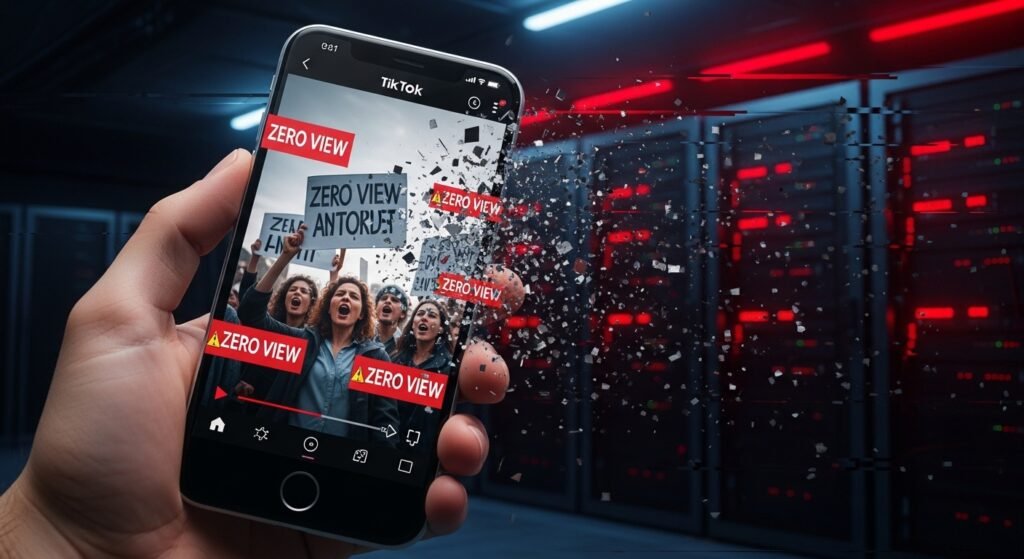
“System Glitch” or Suppression? TikTok Accused of Silencing Alex Pretti Shooting as ICE Tensions Boil Over
2. Brainx Perspective
At Brainx, we believe the timing of TikTok’s “data center outage” is suspiciously convenient. The convergence of a controversial federal shooting, a surge in anti-government sentiment, and a sudden platform-wide blackout of specific political content highlights the terrifying power of algorithmic gatekeepers. This incident forces us to ask: in a digitized democracy, can we trust private platforms to be neutral witnesses to state violence?
3. The News
A firestorm of controversy has erupted at the intersection of Big Tech and federal law enforcement following the fatal shooting of Alex Jeffrey Pretti, a 37-year-old ICU nurse, by federal agents in Minneapolis. As protests swell on the streets, a digital battle is raging online, with thousands of users accusing TikTok of deliberately suppressing evidence and criticism of the Trump administration’s immigration crackdown.
The Shooting of Alex Pretti: What We Know On Saturday, January 24, 2026, Alex Pretti was shot and killed by US Customs and Border Protection (CBP) agents near the intersection of 26th Street and Nicollet Avenue in the Whittier neighborhood of Minneapolis.
- The Victim: Pretti was a US citizen and a registered nurse who cared for veterans at the Minneapolis VA Medical Center. He was known as a “kindhearted soul” by his family.
- The Incident: Bystander videos appear to show Pretti intervening to protect a woman who was being shoved and pepper-sprayed by federal agents during an immigration enforcement operation.
- Conflicting Narratives:
- DHS Stance: The Department of Homeland Security claims Pretti was armed and “violent,” asserting that agents fired in self-defense after he brandished a weapon.
- Witness Accounts: Witnesses and frame-by-frame video analysis suggest Pretti was holding a smartphone, not a gun, and was attempting to shield another bystander when he was tackled and shot multiple times.
- Context: Pretti is the second Minneapolis resident killed by federal agents this month, following the death of Renee Good on January 7, amidst a controversial “ICE surge” ordered by the administration.
The “Digital Blackout”: Censorship or Glitch? In the immediate aftermath of the shooting, TikTok users attempting to share footage of the incident or use hashtags related to #ICE and #AlexPretti reported a disturbing phenomenon.
- Zero-View Bug: Prominent creators and activists reported their videos receiving exactly “zero views” for hours—a statistical impossibility for accounts with millions of followers.
- Suppressed Content: Users complained that videos critical of the Trump administration’s deportation policies were being flagged as “ineligible for recommendation” or simply failing to upload.
- Celebrity Backlash: The alleged suppression drew high-profile condemnation. Singer Billie Eilish posted to Instagram, claiming “TikTok is silencing people,” after her brother Finneas saw his video about Pretti’s death throttled.
TikTok’s Defense: The “Power Outage” Theory TikTok, now operating under a new US-based ownership structure (TikTok USDS Joint Venture) following its forced divestiture from ByteDance, has vehemently denied political interference.
- Official Explanation: The company attributes the visibility issues to a “major infrastructure issue triggered by a power outage at a US data center partner site.”
- Scope of Error: TikTok claims the glitch affected all categories of content, citing that even NFL highlights saw zero views during the same window.
- Skepticism: Tech analysts and critics remain skeptical, pointing out that the “glitch” appeared to disproportionately impact political discourse during a moment of national crisis, fueling conspiracy theories about the platform’s new alignment with the Trump administration.
4. “Why It Matters” (Conclusion)
This incident matters because it represents the collapse of the “digital public square.” For the common man, the ability to document and share instances of state violence is a crucial check on power. If social media platforms can—accidentally or intentionally—throttle this evidence during critical windows of accountability, the truth becomes a casualty of code, leaving citizens blind in moments of crisis.


Leave a Reply