More than 200 killed in mine collapse in DR Congo
200 Dead in “Blood Mineral” Disaster: Inside the Collapse of the Rubaya Coltan Mine
At Brainx, we believe…
This catastrophe is not merely an industrial accident; it is a stark indictment of the global technology supply chain. The death of over 200 miners—including women and children—in a rebel-held pit in the DRC exposes the brutal reality of the “blood minerals” powering our digital lives. It highlights a systemic failure where the demand for cheap electronics incentivizes the exploitation of desperate communities, forcing us to ask: is the price of our smartphones paid for in human lives?
The News: Tragedy in the Heart of the Congo
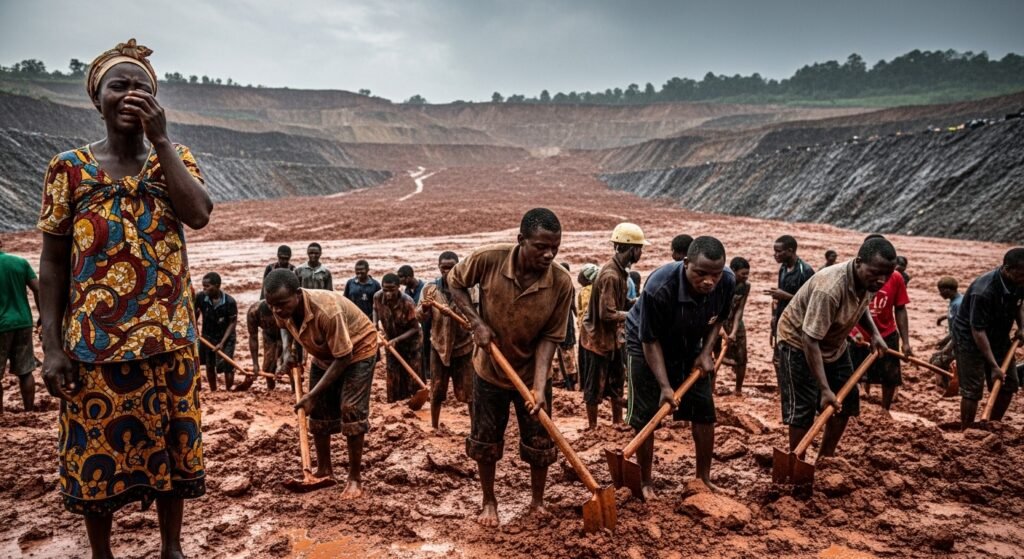
In a devastating blow to the already beleaguered North Kivu province of the Democratic Republic of Congo (DRC), at least 200 people have been confirmed dead following a massive mine collapse in the town of Rubaya. The disaster, which occurred on Wednesday following torrential rains, has once again turned the eyes of the world toward the treacherous conditions of artisanal mining in conflict zones.
The Rubaya mines are not ordinary excavation sites; they are a critical artery in the global tech economy, holding approximately 15% of the world’s supply of coltan—the metallic ore essential for the capacitors in every smartphone, laptop, and electric vehicle on the planet.
Key Developments:
- The Collapse: The disaster struck during a period of heavy rainfall, which destabilized the fragile, waterlogged soil of the open-pit mines. According to Lumumba Kambere Muyisa, a spokesman for the rebel administration, the earth gave way without warning, burying hundreds of workers alive.
- The Victims: The dead include not only artisanal miners but also women and children who were on-site washing minerals and transporting heavy sacks of ore. Rescue efforts have been chaotic and largely manual, with desperate families digging through the mud with bare hands.
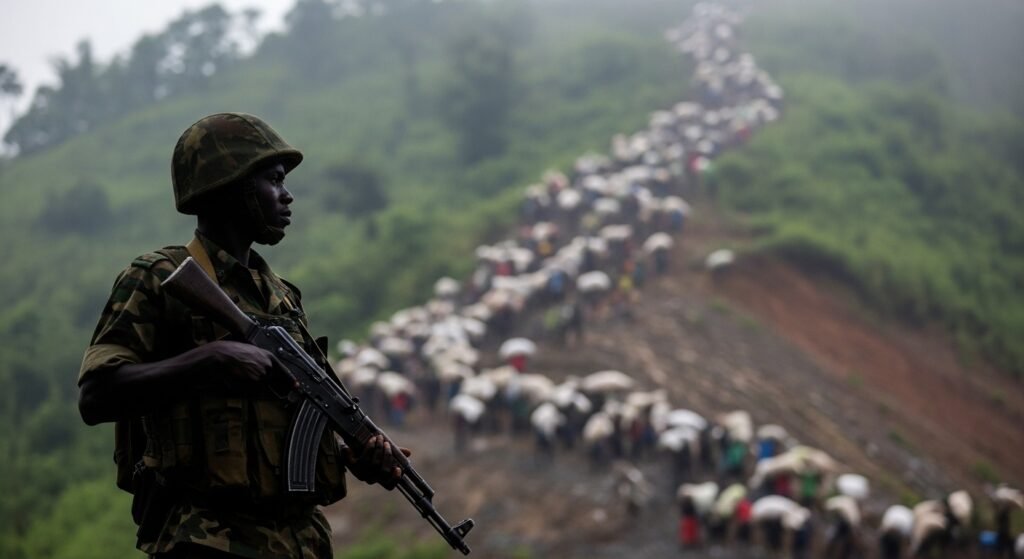
- Rebel Control: The area has been under the control of the M23 rebel group since 2024. International observers and the UN have long accused the M23 of funding their insurgency by imposing illegal taxes on the mining sector, effectively integrating these “blood minerals” into the global market.
- Safety Failures: A former supervisor at the site revealed that maintenance has been non-existent under rebel occupation. “The site was not properly maintained,” he stated, noting that the pursuit of profit has totally eclipsed safety protocols, making such accidents inevitable.
Voices from the Rubble
The human cost of the tragedy is being felt in every household in Rubaya. A source, speaking anonymously for fear of reprisal, described the heartbreak of losing his cousin in the landslide.
“I didn’t believe he could pass away in such circumstances,” the source told Brainx. “He was a courageous and ambitious man whose main goal was to provide for his wife and two children. I held onto hope because investigations were still ongoing… unfortunately, some hours later, his body was discovered.”
Approximately 20 survivors were pulled from the mud and are currently receiving treatment in local hospitals, though medical resources are scarce in the rebel-held territory. Governor Erasto Bahati Musanga, appointed by the M23 administration, visited the survivors on Friday, a move seen by many as a cynical attempt to maintain public order in a lucrative territory.
The “Geology” of Conflict

To understand why people risk their lives in these pits, one must understand the unique geology of North Kivu. The region sits atop one of the richest mineral deposits on Earth. Coltan (columbite-tantalite) is found near the surface, allowing for “artisanal” mining—a euphemism for back-breaking manual labor where workers use pickaxes and shovels rather than heavy machinery.
When a BBC team visited the site in July 2025, they observed a landscape pockmarked with dangerous, unregulated pits. There were no supports, no ventilation shafts, and no safety gear. Miners, often barefoot, descended into deep chasms that turned into death traps the moment it rained.
Under M23 control, the exploitation has intensified. The UN reports that the group generates millions of dollars by taxing the production and transport of these minerals. This revenue stream allows them to purchase weapons and sustain their war against the Congolese government in Kinshasa, creating a vicious cycle where the mining funds the very conflict that impoverishes the miners.
Why It Matters
This tragedy matters because it shatters the illusion of “clean tech.” For the common man scrolling on a phone, the link to a muddy pit in the Congo feels distant, but it is direct and undeniable. The Rubaya collapse is a warning that without rigorous supply chain transparency and international pressure to demilitarize mining zones, the green energy transition and the digital revolution will continue to be built on the bones of the world’s poorest. It forces a reckoning: global tech giants must move beyond empty promises of “ethical sourcing” and actively invest in the safety and dignity of the communities at the source of their wealth.




Leave a Reply