One million spent hours without heat and water after Russian strikes, Ukraine says
1. Catchy Headline
Winter Weaponized: 1 Million Ukrainians Left Freezing as Russia Intensifies Infrastructure Strikes Amid Peace Talks
2. Brainx Perspective (Intro)
This development highlights the brutal reality of modern warfare, where winter serves as a strategic weapon alongside missiles. At Brainx, we believe the systematic targeting of civilian heating and water systems is not just a tactical maneuver, but a calculated attempt to break national morale. As diplomatic channels open with Western allies, the situation on the ground remains a desperate race for survival against the freezing cold.
3. The News (Body)
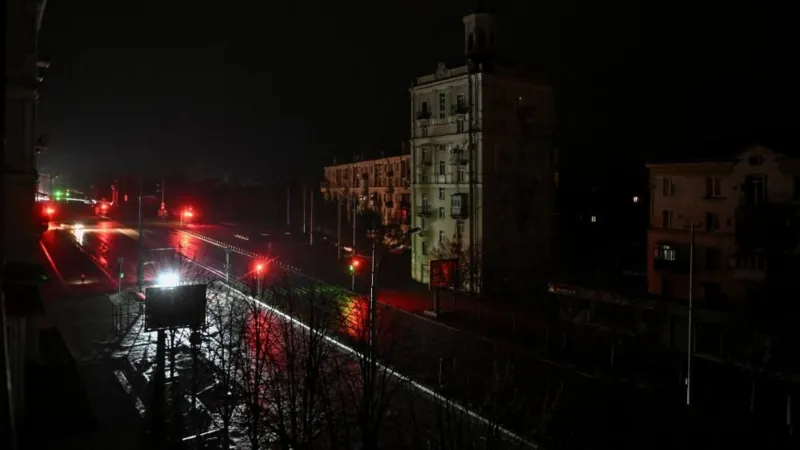
A deepening humanitarian crisis has gripped south-eastern Ukraine following a renewed and intensified wave of Russian air strikes. The attacks, specifically targeting critical energy infrastructure, have plunged more than one million residents into darkness and cold, cutting off vital heating and water supplies across the Dnipropetrovsk and Zaporizhzhia regions.
As the war approaches its fourth anniversary, the conflict has entered a volatile phase where military aggression on the ground is starkly contrasted by accelerating diplomatic efforts abroad.
The Humanitarian Crisis on the Ground
The latest barrage of missiles and drones has overwhelmed local defenses, causing severe disruptions in areas already battered by years of conflict.
- Widespread Outages: Over one million people faced hours without heat or running water as temperatures plummeted. The timing is critical, with heavy snow and frost forecast across the country.
- Infrastructure Collapse: The strikes caused significant damage to the energy grid in Dnipropetrovsk and neighboring Zaporizhzhia. Hospitals, water treatment facilities, and emergency services were forced to switch to backup generators to remain operational.
- Civilian Plea: Authorities have issued urgent appeals to residents to limit electricity consumption to prevent a total collapse of the grid.
The Energy Sector: “Permanent Crisis Mode”
The resilience of Ukraine’s energy sector is being tested to its breaking point. DTEK, the country’s largest private energy provider, has sounded the alarm regarding the sustainability of the current situation.
- No Time to Recover: Maxim Timchenko, CEO of DTEK, revealed that the frequency of attacks is now so high that repair crews cannot restore power before the next wave hits.
- Relentless Assault: The energy grid is being hammered by “waves of drones, cruise, and ballistic missiles,” leaving millions susceptible to lengthy blackouts during the harsh winter months.
Diplomatic Maneuvers and the “Coalition of the Willing”
While the skies over Ukraine remain dangerous, the diplomatic landscape is shifting rapidly. President Volodymyr Zelensky has embarked on a high-stakes tour to secure guarantees from Western allies.
- Trump’s Envoys: Zelensky recently met with Steve Witkoff and Jared Kushner, peace envoys for US President Donald Trump. Discussions are centered on bringing the war to an end, potentially within the first half of 2026.
- European Security Guarantees: In a significant escalation of commitment, the UK and France signed a declaration of intent to deploy troops to Ukraine if a peace deal is reached. Moscow immediately warned that any foreign forces would be considered “legitimate targets.”
- The Trust Deficit: Despite these moves, Zelensky expressed frustration, noting that European allies have yet to provide “sound guarantees” for protection against future Russian aggression.
The Road to 2026: Peace or Partition?
The potential end of the war is now a topic of open discussion, though the terms remain contentious.
- Negotiation Deadlock: Peace proposals, spearheaded by President Trump and amended by European allies, reportedly involve Ukrainian territorial concessions in the east—a point Zelensky describes as the final “10% of the deal.”
- Territorial Integrity: Ukraine continues to refuse ceding territory, while Russian President Vladimir Putin remains firm on his demand to annex the entire industrial Donbas region.
- Mockery of Peace: Zelensky condemned the recent strikes as a “mockery” of these peace efforts, arguing there is “no military sense” in destroying civilian infrastructure other than to terrorize the population while talks are ongoing.
4. “Why It Matters” (Conclusion)
This escalation matters because it exposes the fragility of the coming months. For the common citizen, the geopolitical chess game regarding borders and treaties is secondary to the immediate threat of freezing to death. This winter will likely determine not just the military front lines, but the psychological breaking point of a nation hoping for peace by 2026.
Extended Analysis: The Geopolitics of Cold
(Deep Dive for Context)
The strategy currently employed by Moscow is a historical echo of “General Winter”—the use of harsh weather conditions as a force multiplier. However, the current context involves a complex layer of international politics that complicates the battlefield.
1. The Role of the EU and US Leadership The explicit mention of the “first half of 2026” as a target for ending the war suggests a synchronized timeline between Kyiv and Washington. With President Trump leading peace efforts, the pressure on Ukraine to accept a compromise is mounting. The involvement of high-profile envoys like Jared Kushner indicates that the US is seeking a transactional end to the conflict, prioritizing stability over total victory.
2. The UK-France Troop Proposal The declaration by the UK and France to potentially deploy troops post-peace deal is a massive shift in NATO-adjacent policy. Previously, “boots on the ground” was a red line. By putting this option on the table, Europe is attempting to offer a security guarantee that replaces immediate NATO membership—essentially a “tripwire” force designed to deter Russia from re-invading after any potential ceasefire.
3. The DTEK Reality Check The comments from DTEK’s CEO highlight the limitations of Western aid. While air defense systems (like Patriots) are crucial, they are expensive and finite. Repairing a transformer takes months; destroying it takes seconds. The “permanent crisis mode” suggests that without a cessation of hostilities, Ukraine’s grid may face a total, unrecoverable collapse, forcing a humanitarian migration wave into Europe that could further destabilize the region.
Ultimately, the air strikes serve a dual purpose: degrading Ukraine’s economy and weakening its negotiating hand. As Zelensky navigates these “new stage” negotiations, he does so with a gun to the head of his country’s energy infrastructure.

Leave a Reply